
Wagering requirement was the primary ranking factor, with 0x offers weighted above any playthrough requirement regardless of spin count. After that, we assessed total bonus value in pounds (spin count multiplied by spin value), cashout cap restrictions, expiry period, credited format (cash versus bonus funds), mobile claiming experience, and ongoing low-wagering promotions for existing players. UKGC licensing was a baseline requirement rather than a differentiator — every casino in this comparison holds an active licence.
Table 1 — Best Low Wagering Casino Bonuses — Side-by-Side
| Casino | Bonus Type | Amount | Wager Req | Min Deposit | Spin Value | Credited As | Our Verdict |
|---|---|---|---|---|---|---|---|
| MrQ | Free Spins | Up to 300 FS | 0x | £10/day x4 | £0.10 | Cash | Highest 0x spin count; requires 4-day commitment |
| BetMGM | Free Spins | 200 FS | 0x (1x trigger) | £10 | £0.10 | Cash | Best single-deposit 0x value at £20 |
| Betfred | Free Spins | 200 FS | 0x | £10 | £0.10 | Cash | Matches BetMGM; promo code SPINS required |
| PlayOJO | Free Spins | 80 FS | 0x | £10 | £0.10 | Cash | Fewer spins but entire site runs at 0x |
| Ladbrokes | Free Spins | 100 FS | 0x | £10 | £0.10 | Cash | Strong ongoing 0x promotions for regulars |
| Midnite | Free Spins | 100 FS | 0x | £20 | £0.10 | Cash | Fastest withdrawal processing in our test |
| Coral | Free Spins + Bonus | 100 FS + £10 | 0x on FS / 10x on bonus | £10 | £0.10 | Cash + Bonus Funds | Mixed model; read the split carefully |
| Regal Wins | Free Spins | 30 FS (no deposit) + 10 FS | 10x | £0 / £10 | £0.10 / £1.00 | Bonus Funds | Only no-deposit option; 10x wagering applies |
Data verified March 2026. Terms are subject to change — always check casino T&Cs.
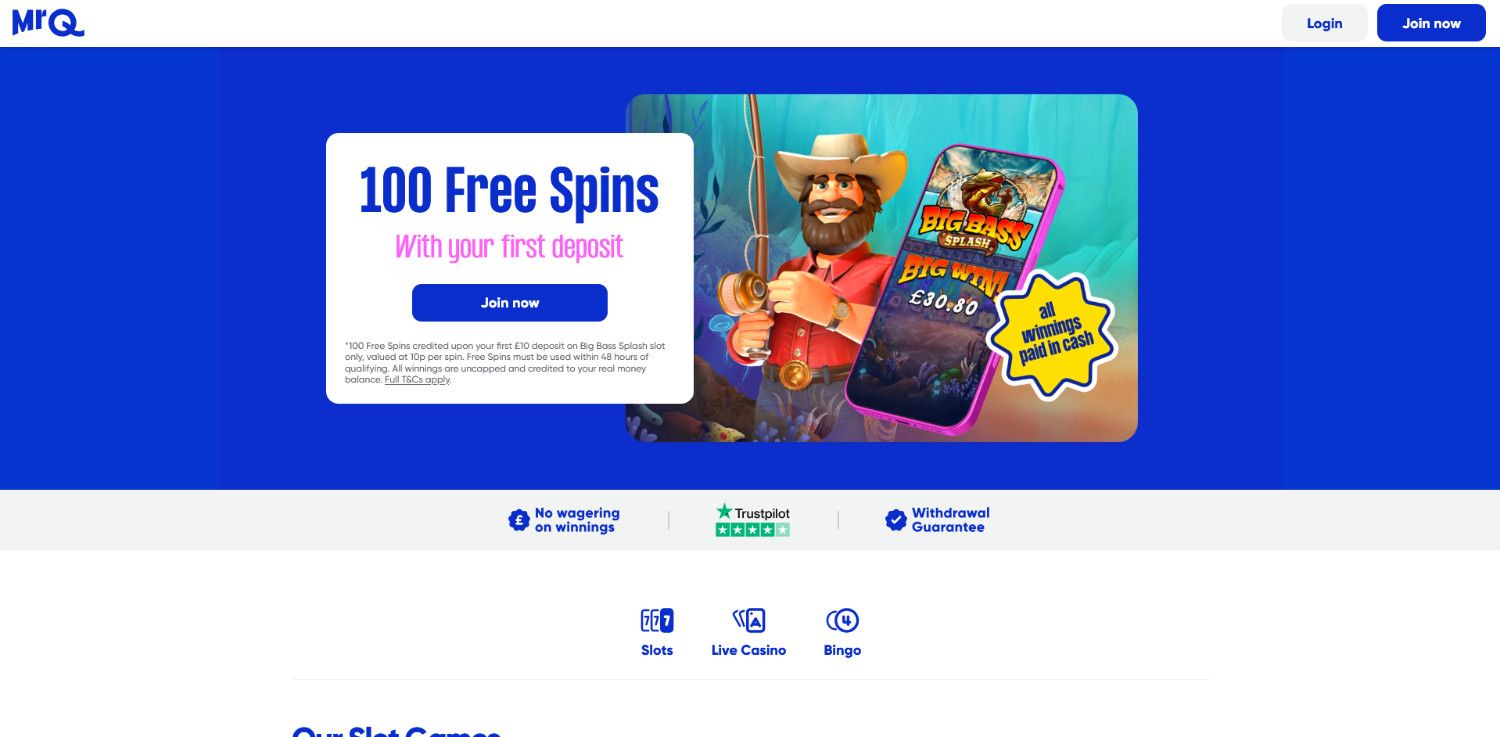
The catch with MrQ is that claiming all 300 spins requires four consecutive days of deposits. You must deposit and spend £10 each day to unlock 75 spins per batch on Fishin’ BIGGER Pots of Gold, and missing a single day reduces your total. That four-day structure means a £40 total investment rather than the £10 headline figure, which changes the value calculation significantly. The upside is genuinely zero wagering on all winnings with no cashout cap — what you win is withdrawable as cash immediately. In our testing, spins credited within 10 minutes of meeting the daily spend requirement. MrQ operates under UKGC licence 60629 and applies the same 0x philosophy across all its promotions, including daily drops and refer-a-friend bonuses. The 48-hour expiry on each batch of spins is tight, but manageable if you plan your sessions around the deposit schedule.
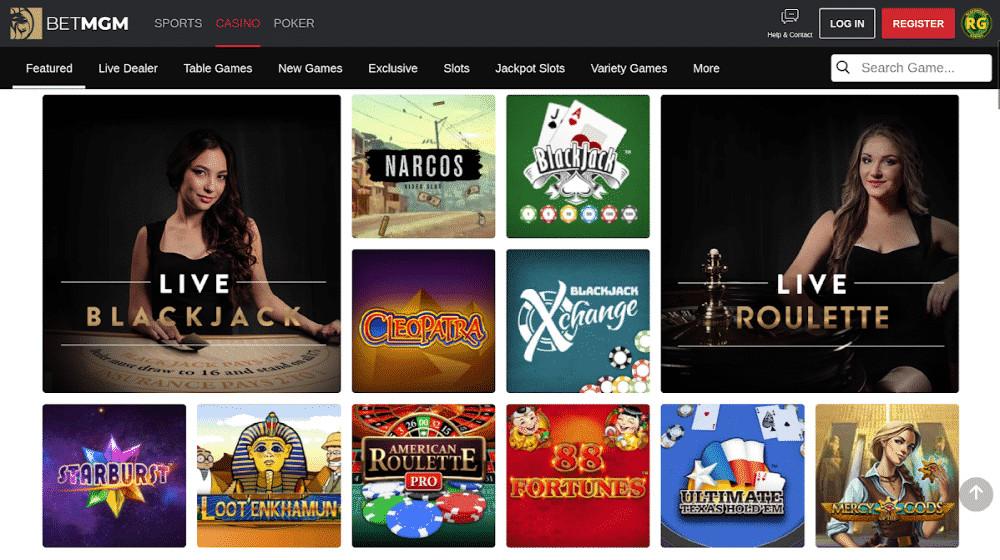
BetMGM’s mechanic is slightly unusual: you deposit £10 and wager that deposit 1x on eligible casino games to unlock the 200 free spins. The spins themselves carry 0x wagering — winnings are paid as cash. This two-step process confuses some players because the 1x trigger wager is not the same as a wagering requirement on the bonus. You are spending your deposit on games you would play anyway, and the spins arrive afterward. All 200 spins are restricted to Big Bass Splash by Pragmatic Play, valued at £0.10 each for a £20 total. The 3-day expiry once spins are credited is the shortest in our comparison. BetMGM holds UKGC licence 39198 through LeoVegas Gaming plc and excludes several specific slot titles from the trigger wager contribution — check the full exclusion list before wagering.

PlayOJO’s welcome offer of 80 free spins on Big Bass Bonanza for a £10 deposit is not the largest in this comparison. The real differentiator is that PlayOJO operates with zero wagering requirements across its entire platform — not just the welcome bonus, but every ongoing promotion, every free spin drop, and every loyalty reward. This means new players are not evaluating a single offer; they are choosing a casino where the 0x model applies permanently. The trade-off is a smaller welcome package. Eighty spins at £0.10 each delivers £8 in play value versus £20 from BetMGM or Betfred. For players who intend to stay beyond the welcome offer, the ongoing 0x structure may return more value over time. PlayOJO is operated by Skill On Net Ltd and features over 3,100 games including slots from NetEnt, Pragmatic Play, and Play’n GO.

Coral’s welcome offer splits into two components, and the distinction is critical. After depositing and betting £10 on any slot, you receive 100 free spins on selected games with 0x wagering — winnings from these spins are cash. You also receive a £10 casino bonus, but this bonus carries 10x wagering and a £2 maximum stake restriction. The two components look like a single offer in marketing materials, yet they function entirely differently. The free spins represent genuine 0x value. The £10 bonus requires £100 in additional wagers at a capped stake, during which house edge on a 96.5% RTP slot consumes approximately £3.50. The effective value of the bonus component is closer to £6.50 than £10. Coral operates under UKGC licence 39396 through LC International Limited and shares its parent company, Entain, with Ladbrokes.

Regal Wins is the only casino in this comparison offering free spins without requiring a deposit first. New players receive 30 spins on Kong 3 Even Bigger Bonus at £0.10 each simply for registering — no payment details needed beyond age verification. The trade-off is a 10x wagering requirement on winnings, which sits at the UKGC’s new ceiling. On a hypothetical £3 win from those 30 spins, you would need to wager £30 before withdrawal. At 96.5% RTP, statistical house edge consumes approximately £1.05, leaving roughly £1.95 in withdrawable value. Depositing and staking £10 on Kong 3 unlocks a further 10 spins at £1.00 each — substantially higher per-spin value — also at 10x wagering. Regal Wins is operated by Rank Interactive, the same group behind Mecca and Grosvenor — part of a wider network that includes Genting Casino and its sister sites, and our Lucky VIP bonus code breakdown covers another Rank Interactive welcome offer in detail. The operator excludes PayPal and Paysafecard deposits from the second-tier offer. The £1,000 maximum cashout cap from bonus winnings is reasonable but worth noting.
Betfred (UKGC licence 39544), Ladbrokes (54743), and Midnite (42647) all appear with complete data in Tables 1 and 3 — each offers 0x wagering on welcome free spins with terms comparable to the profiled casinos above.
Table 3 — UKGC-Licensed Low Wagering Casino Bonuses
| Casino | UKGC Licence | Bonus | Min Deposit | Wager Req | Payout Time |
|---|---|---|---|---|---|
| MrQ | 60629 | Up to 300 FS (0x) | £10/day | 0x | 1–3 hours (PayPal) |
| BetMGM | 39198 | 200 FS on Big Bass Splash | £10 | 0x (1x trigger) | 2–5 days (card) |
| Betfred | 39544 | 200 FS on selected slots | £10 | 0x | 1–3 days (card) |
| PlayOJO | Skill On Net | 80 FS on Big Bass Bonanza | £10 | 0x | 24–48 hours |
| Ladbrokes | 54743 | 100 FS on selected slots | £10 | 0x | 1–3 days (card) / 8 hrs (e-wallet) |
| Midnite | 42647 | 100 FS | £20 | 0x | Under 1 hour |
| Coral | 39396 | 100 FS (0x) + £10 bonus (10x) | £10 | Mixed | 1–3 days (card) / 8 hrs (e-wallet) |
| Regal Wins | Rank Interactive | 30 FS no deposit + 10 FS | £0 / £10 | 10x | 3–5 days |
Data verified March 2026. Terms are subject to change — always check casino T&Cs.
Before 19 January 2026, the UK casino industry had no regulatory ceiling on wagering requirements. Operators routinely set playthrough at 35x, 50x, or even 65x. A £20 bonus at 50x demanded £1,000 in total wagers — a figure that made withdrawal statistically improbable for most players. The UKGC’s LCCP Social Responsibility Code 5.1.1 (effective 19 January 2026) capped wagering at 10x the bonus amount. Any UKGC-licensed casino setting wagering above 10x is now non-compliant, which means the term “low wagering” has lost its pre-2026 meaning. In the current landscape, low wagering effectively means anything from 0x to 10x, and the meaningful distinction has shifted to whether wagering exists at all.
At 0x, winnings from bonus spins are credited directly as withdrawable cash. There is no additional play required. A £5 win from 100 free spins goes straight to your balance. At 1x, you must wager the bonus amount once — a £10 bonus requires £10 in bets. On a 96.5% RTP slot, statistical house edge consumes approximately £0.35, so you retain roughly £9.65 of the original £10. At 5x, that same £10 bonus requires £50 in wagers, and house edge takes approximately £1.75 — your effective return drops to around £8.25. At 10x, the maths shifts further: £100 in total wagers on a 96.5% RTP slot costs approximately £3.50 in statistical losses, reducing a £10 bonus to about £6.50 in expected withdrawable value. The difference between 0x and 10x on a £10 bonus is approximately £3.50 — not catastrophic, but meaningful when scaled across larger amounts or repeated promotions.
The headline wagering number assumes 100% game contribution. Slots typically qualify at 100%, but table games often contribute 10% to 20%, and live dealer games may contribute 0% to 10%. A 10x requirement on a £10 bonus looks like £100 in slot wagers but becomes £500 to £1,000 if you play roulette or blackjack. At the casinos in our comparison, BetMGM explicitly excludes several slot titles from even the 1x trigger wager — including 1429 Uncharted Seas, Book of 99, and all Slingo variants. Coral’s 10x wagering on the bonus component restricts maximum bet to £2, which extends the number of individual wagers needed and the time required to clear the requirement. These details transform the real playthrough cost far beyond what the headline number suggests.
Table 2 — Low Wagering Bonuses by Casino — How They Work
| Casino | Bonus Type | Amount | Wager Req | EV After Wager (£10 base) | Cashout Cap | Expiry | Better Than 10x? |
|---|---|---|---|---|---|---|---|
| MrQ | 300 FS (0x) | £30 play value | 0x | £30.00 (no erosion) | No cap | 48 hrs per batch | Yes — 0x |
| BetMGM | 200 FS (0x) | £20 play value | 0x | £20.00 (no erosion) | No cap | 3 days | Yes — 0x |
| Betfred | 200 FS (0x) | £20 play value | 0x | £20.00 (no erosion) | No cap | 7 days | Yes — 0x |
| PlayOJO | 80 FS (0x) | £8 play value | 0x | £8.00 (no erosion) | No cap | Check T&Cs | Yes — 0x |
| Ladbrokes | 100 FS (0x) | £10 play value | 0x | £10.00 (no erosion) | No cap | 7 days | Yes — 0x |
| Midnite | 100 FS (0x) | £10 play value | 0x | £10.00 (no erosion) | No cap | Check T&Cs | Yes — 0x |
| Coral | 100 FS (0x) + £10 (10x) | £10 + £10 | Mixed | £10 + ~£6.50 | No cap on FS | 7 days | Partial — FS yes, bonus at ceiling |
| Regal Wins | 30 FS + 10 FS (10x) | £3 + £10 | 10x | ~£2.30 + ~£6.50 | £1,000 | 7 days | No — at ceiling |
Data verified March 2026. Terms are subject to change — always check casino T&Cs.
The UKGC’s 10x wagering cap means no licensed UK casino can legally require more than 10 times the bonus amount in playthrough. For a £20 bonus, the maximum total wager is £200. Before 2026, the same bonus might have carried 35x wagering — requiring £700. The cap has compressed the entire spectrum, and the most aggressive operators have responded by eliminating wagering entirely to differentiate their offers. In our comparison, six of eight casinos apply 0x wagering to their welcome free spins. The remaining two — Coral’s bonus funds and Regal Wins — sit exactly at the 10x maximum. No casino in our research applied a wagering requirement between 1x and 9x on their primary welcome offer, suggesting the market has polarised into “zero” and “maximum” with little middle ground.
Even at 0x wagering, game restrictions still apply to which titles you can use your free spins on. BetMGM restricts all 200 spins to Big Bass Splash. Ladbrokes and Coral allow spins on selected games only. Where wagering does apply — Coral’s £10 bonus and Regal Wins — game contribution rates become critical. Slots typically contribute 100%, but Coral explicitly caps the maximum bet at £2 while wagering the bonus. Playing Big Bass Splash by Pragmatic Play or Starburst by NetEnt at £2 per spin means 50 spins to clear a £100 wagering requirement. Older titles from studios like Microgaming follow the same 100% slot contribution, but always verify specific game eligibility in the T&Cs. Table games from Evolution contribute far less — often 10% or 0% — and live casino rarely counts at all. Attempting to clear wagering through blackjack at 10% contribution turns a £100 requirement into £1,000 in effective wagers, making slots the only practical clearing route.
Maximum bet limits during wagering exist to prevent players from placing a single large wager to clear the requirement in one spin. Coral’s £2 cap is standard. Regal Wins applies similar restrictions during the 10x playthrough. More impactful for most players is the cashout cap: Regal Wins limits total withdrawable winnings from bonus play to £1,000. The 0x casinos — MrQ, BetMGM, PlayOJO, Betfred, Ladbrokes, and Midnite — do not apply cashout caps on welcome free spin winnings, which means a lucky session on Big Bass Splash’s 5,000x maximum win potential is fully withdrawable. This uncapped structure at 0x represents genuinely better value than a higher spin count with a restrictive cap.
Table 4 — Wagering Terms by Casino
| Casino | Wager Req | Slots Contribution | Table Games | Live Casino | Max Bet | Time Limit | Cashout Cap |
|---|---|---|---|---|---|---|---|
| MrQ | 0x | N/A | N/A | N/A | N/A | 48 hrs/batch | No cap |
| BetMGM | 0x (1x trigger) | Varies (trigger) | Varies (trigger) | Excluded (trigger) | N/A | 3 days | No cap |
| Betfred | 0x | N/A | N/A | N/A | N/A | 7 days | No cap |
| PlayOJO | 0x | N/A | N/A | N/A | N/A | Check T&Cs | No cap |
| Ladbrokes | 0x | N/A | N/A | N/A | N/A | 7 days | No cap |
| Midnite | 0x | N/A | N/A | N/A | N/A | Check T&Cs | No cap |
| Coral | 0x FS / 10x bonus | 100% (bonus) | 10% (bonus) | 0% (bonus) | £2 (bonus) | 7 days | No cap (FS) |
| Regal Wins | 10x | 100% | Check T&Cs | Check T&Cs | Check T&Cs | 7 days | £1,000 |
Data verified March 2026. Terms are subject to change — always check casino T&Cs.
Take Ladbrokes’ 100 free spins at £0.10 each with 0x wagering. The total play value is £10. On a slot with 96.5% RTP, the statistical expected return from £10 in wagers is £9.65. Since there is no wagering requirement, that £9.65 is withdrawable as cash. Your deposit of £10 to trigger the spins remains in your account (assuming you did not lose it on the qualifying bet). The effective cost of the bonus is £0 if your qualifying wager returns at or near the expected rate, and the expected bonus return is £9.65. That makes 0x free spins among the most straightforward positive-value offers in UK online gambling — the casino is essentially giving you £9.65 in expected withdrawable cash for meeting a simple deposit threshold.
Coral’s £10 casino bonus at 10x wagering requires £100 in total bets. On a 96.5% RTP slot at £2 maximum bet, you need 50 spins to clear the requirement. Statistical house edge across those 50 spins consumes 3.5% of £100, which is £3.50. Your expected withdrawable amount from the £10 bonus is therefore £6.50. That is a 35% reduction from the headline value. At Regal Wins, a £3 win from 30 no-deposit spins at 10x requires £30 in wagers. House edge takes approximately £1.05, leaving £1.95. The effective return on a “free” no-deposit bonus is still positive — you risked nothing and received approximately £1.95 in expected value — but the 10x wagering costs 35% of every bonus pound.
On a 96.5% RTP slot, each 1x of wagering costs approximately 3.5% of the bonus value. At 10x, total erosion is 35%. At the old industry average of 35x, erosion would reach 122.5% — meaning the bonus was statistically worthless before you finished wagering it. The 10x cap ensures that wagering can never consume more than 35% of bonus value on standard slots, which is why even the maximum-wagering offers in our comparison still deliver positive expected value. The break-even point on a 96.5% RTP game occurs at approximately 28.6x wagering — anything below that threshold is mathematically positive for the player. Since no UKGC casino can now exceed 10x, every compliant low wagering bonus in the UK is technically worth claiming from a pure expected-value perspective.
Several newer operators have launched into the post-cap UK market with 0x wagering as a core proposition rather than an afterthought. GeckoPlay, operated by Skill On Net (the same company behind PlayOJO), launched in mid-2025 offering 50 wager-free spins on Big Bass Bonanza for a £20 deposit. The terms mirror PlayOJO’s philosophy but the game library is still growing. Midnite entered the casino space relatively recently and has built its reputation on withdrawal processing that can complete in minutes — a practical advantage that matters more than wagering terms for players who value speed. New entrants often offer competitive terms to build market share, but they lack the promotion depth and established trust of operators like Ladbrokes or Betfred.
In our comparison, the established operators generally match or beat newer entrants on raw bonus value. BetMGM and Betfred both offer 200 free spins at 0x with a £10 deposit — a combination that no new-market entrant currently exceeds. Where newer casinos compete is in ongoing low wagering promotions and payout speed. GeckoPlay inherits PlayOJO’s site-wide 0x structure, meaning every future promotion also carries zero wagering. Established operators like Coral and Ladbrokes offer robust ongoing promotion calendars — Ladbrokes’ Instant Spins daily reward and Slot Rivals tournaments both award wager-free prizes — alongside recurring reload bonuses and free spins for existing customers that newer casinos cannot yet match. For a first-time player, the welcome bonus from an established operator typically delivers more value; for a regular player, the ongoing 0x environment at newer sites may accumulate greater returns over months of play.
In the post-cap landscape, the practical difference between “low wagering” (1x to 10x) and “no wagering” (0x) is smaller than it was before 2026. A 5x requirement on a £10 bonus costs approximately £1.75 in house edge erosion on a standard slot. That is the price of a cup of coffee, not a dealbreaker. The meaningful difference lies in game variety: 0x free spins are typically locked to a single slot title (Big Bass Splash at BetMGM, Fishin’ BIGGER Pots of Gold at MrQ), while low-wagering match bonuses can often be played across a broader game selection. PlayOJO is the notable exception — its 0x model applies across its entire library of over 3,100 games. For players who value game choice, a low-wagering match bonus can offer more flexibility than a 0x free spin package. Our dedicated guide to no-wagering bonuses covers every current 0x offer in detail.
A £50 match bonus at 10x wagering requires £500 in total bets. House edge at 96.5% RTP costs approximately £17.50, delivering an expected withdrawable value of £32.50. Compare that to 200 free spins at 0x worth £20 in play value — the expected return from those spins is approximately £19.30. The match bonus delivers higher absolute value (£32.50 vs £19.30) despite carrying wagering, because the starting amount is larger. The choice depends on your tolerance for playthrough: the match bonus requires sustained play to clear, while the free spins pay out immediately. For casual players who visit infrequently, 0x spins are superior. For regular players comfortable with extended sessions, a low-wagering match bonus can return more pounds. Players comparing spin-based packages specifically can see our guide to free spins welcome bonuses for the latest offers, or our slots welcome bonus UK guide for deposit-match offers specifically targeting slot players.
Across our comparison, the highest expected return comes from MrQ’s 300 free spins at 0x — delivering approximately £28.95 in expected withdrawable value from a £40 total deposit commitment. The lowest expected return is Regal Wins’ no-deposit 30 spins at 10x — approximately £1.95 in expected value from zero investment, which is technically infinite return on investment. For a single £10 deposit, BetMGM and Betfred tie at approximately £19.30 in expected value from their 200 0x spins. Coral’s combined offer (0x spins plus 10x bonus) delivers approximately £16.15 from a £10 deposit — less than the pure 0x competitors because of the wagering erosion on the bonus component. The data consistently shows that 0x wagering preserves more value than any playthrough requirement, but the total bonus amount matters at least as much as the wagering multiplier. Players who prefer loss-recovery mechanics over upfront spins may find better ongoing value through cashback bonuses, which return a percentage of net losses rather than providing a fixed spin allocation.
Table 5 — Bonus Type Comparison
| Bonus Type | How It Works | Typical Wager (Post-Cap) | Typical Value (£10 Base) | Best For | Risk Level |
|---|---|---|---|---|---|
| 0x Free Spins | Spins on selected slot; winnings paid as cash | 0x | £9.65 (expected) | Casual players wanting guaranteed cash value | Very Low |
| Low Wagering Match (1x–10x) | Deposit matched as bonus funds with playthrough | 5x–10x | £6.50–£8.25 (expected) | Regular players comfortable with extended play | Low |
| Standard Free Spins (10x) | Spins on selected slot; winnings require playthrough | 10x | £6.28 (expected) | Players who enjoy specific featured slots | Low–Medium |
| Cashback (0x–5x) | Percentage of losses returned | 0x–5x | Variable (loss-dependent) | High-volume players with consistent loss patterns | Medium |
| Reload Bonus (5x–10x) | Match on subsequent deposits | 5x–10x | £6.50–£8.25 per reload | Regular depositors seeking ongoing value | Low |
Data verified March 2026. Terms are subject to change — always check casino T&Cs.
The claiming process varies across our comparison, but the general sequence is consistent. Register a new account with accurate personal details matching your ID — mismatches trigger KYC delays that can eat into bonus expiry windows. Make a qualifying deposit using an eligible payment method (see restrictions below). Most low wagering bonuses activate at £10 — for a full breakdown of what that deposit tier unlocks, see our guide to £10 deposit bonuses. At most casinos, you must opt in to the welcome offer either during registration or from the promotions page before depositing — BetMGM requires explicit opt-in from its promotions page, while Ladbrokes credits automatically. Meet any trigger requirement: BetMGM requires 1x wagering of your deposit on eligible games, Coral requires a £10 bet on any slot, and MrQ requires spending £10 on any game. Free spins are then credited to your account — either instantly or within 48 hours depending on the operator.
Payment method exclusions are the most common disqualifier. Coral, Ladbrokes, Betfred, and Regal Wins all exclude deposits made via PayPal, Skrill, Neteller, Paysafecard, and prepaid cards. BetMGM excludes PayPal and prepaid cards from the qualifying deposit. MrQ accepts PayPal deposits for the welcome offer. Midnite requires a £20 minimum deposit — higher than most competitors. Players comfortable at that threshold can explore additional options through our guide to £20 minimum deposit casinos. Time restrictions also catch players: BetMGM gives 7 days from registration to deposit and trigger the offer, with a further 3 days to use the spins once credited. MrQ requires four consecutive days of deposits — missing day three means forfeiting spins for days three and four permanently. Regal Wins’ 7-day bonus expiry applies to both the no-deposit and deposit components.
Visa Debit and Mastercard Debit qualify at every casino in our comparison. Apple Pay is accepted at most (MrQ, BetMGM, Coral, Ladbrokes). Google Pay availability is more limited. Credit card gambling has been banned in the UK since April 2020, so no casino accepts Visa Credit or Mastercard Credit regardless of bonus terms. Paysafecard is deposit-only at casinos that accept it, meaning you cannot withdraw through this method. For the smoothest claiming experience, Visa Debit remains the most universally accepted option. If setting deposit limits, cooling-off periods, or taking a break from gambling, contact the casino’s responsible gambling team or visit GamCare (0808 8020 133) and BeGambleAware.org for independent support.
Table 6 — Claiming Requirements by Casino
| Casino | Opt-In? | Code? | Min Deposit | Qualifying Games | Excluded Methods | Auto-Credit? |
|---|---|---|---|---|---|---|
| MrQ | Yes | POTS300 | £10/day | Any slot (spend £10) | Check T&Cs | Within 10 mins |
| BetMGM | Yes (promo page) | No | £10 | Casino games (1x, excl. list) | PayPal, prepaid | After trigger wager |
| Betfred | Yes | SPINS | £10 | Slots (stake £10) | E-wallets, prepaid | Within 48 hrs |
| PlayOJO | Yes | No | £10 | First deposit | Check T&Cs | Instant |
| Ladbrokes | No | No | £10 | Slots (bet £10) | E-wallets, prepaid | Within 48 hrs |
| Midnite | Yes | No | £20 | Place £20 bet | Check T&Cs | After qualifying bet |
| Coral | Yes (claim in promo tab) | No | £10 | Slots (stake £10) | E-wallets, prepaid | Claim within 48 hrs |
| Regal Wins | Yes (select on promo page) | No | £0 / £10 | Kong 3 (deposit tier) | PayPal, Paysafecard | On registration / after stake |
Data verified March 2026. Terms are subject to change — always check casino T&Cs.
Over 70% of UK casino traffic comes from mobile devices, making the mobile claiming experience a genuine ranking factor. BetMGM, Ladbrokes, Coral, and Betfred all offer dedicated iOS and Android apps through the App Store and Google Play. MrQ has a well-rated mobile app with push notifications for daily bonus drops. PlayOJO’s app covers the full game library and allows bonus claiming within the app. Its sister site Foxy Games, also operated by Skill On Net, offers a similar mobile experience with a different game selection. Midnite’s app is primarily sports-focused but the casino section is fully functional and the rapid withdrawal processing works identically on mobile. Regal Wins operates as a mobile-optimised browser site without a dedicated app, which may be a drawback for players who prefer native app performance and notifications.
For claiming low wagering bonuses specifically, dedicated apps offer two practical advantages: push notifications remind you when spins are about to expire (critical for BetMGM’s 3-day window and MrQ’s 48-hour batches), and saved login credentials eliminate the friction of re-entering details each session. Browser-based play at casinos like Regal Wins works adequately for bonus claiming but lacks these notification features. In our testing, the actual gameplay experience — spin speed, animation quality, touch responsiveness — was comparable between app and browser across all eight casinos. The difference is in the peripheral features: notifications, biometric login, and instant access to the promotions page. For a single welcome bonus claim, browser is sufficient. For ongoing low wagering promotions that require daily logins, an app is noticeably more convenient.
Table 7 — Mobile App Availability and Ratings
| Casino | iOS App | Android App | App Store Rating | Google Play Rating | Mobile Browser | Claim on Mobile? |
|---|---|---|---|---|---|---|
| MrQ | Yes | Yes | 4.5 | 4.3 | Yes | Yes |
| BetMGM | Yes | Yes | 4.6 | 4.4 | Yes | Yes |
| Betfred | Yes | Yes | 4.5 | 4.2 | Yes | Yes |
| PlayOJO | Yes | Yes | 4.3 | 4.1 | Yes | Yes |
| Ladbrokes | Yes | Yes | 4.6 | 4.3 | Yes | Yes |
| Midnite | Yes | Yes | 4.4 | 4.2 | Yes | Yes |
| Coral | Yes | Yes | 4.5 | 4.3 | Yes | Yes |
| Regal Wins | No | No | N/A | N/A | Yes (optimised) | Yes |
Data verified March 2026. Terms are subject to change — always check casino T&Cs.
Every casino in this comparison operates under a UK Gambling Commission licence, which means your funds must be held in segregated accounts, you have access to an approved Alternative Dispute Resolution provider if a dispute arises, and the casino must comply with the Gambling Act 2005’s consumer protection provisions. The 10x wagering cap discussed earlier in this article is itself a licensing condition — any casino exceeding it is in breach. This regulatory backstop means that even the highest-wagering offer in our comparison (10x) has been set at a level the regulator considers fair. Offshore casinos operating without UKGC oversight are not bound by the cap, which is why some non-UK-licensed sites still advertise 40x or 50x wagering on their bonuses.
Low wagering and 0x bonuses are customer acquisition tools. The casino calculates that the cost of giving away £20 in free spin value (approximately £19.30 in expected player return) is offset by the percentage of players who continue depositing and playing after the welcome offer. Industry data suggests that player lifetime value for a retained casino customer significantly exceeds the cost of a single 0x welcome bonus. The shift to 0x is also partly regulatory — the 10x cap made high-wagering bonuses less effective as retention tools because players could clear them quickly, reducing the “stickiness” that high playthrough was designed to create. Operators now compete on speed, simplicity, and ongoing promotion quality rather than wagering complexity. Some also use tiered VIP bonus programmes to retain high-value players with progressively better low-wagering terms.
Any UKGC-licensed casino advertising wagering above 10x is either non-compliant or displaying outdated terms. Check the Gambling Commission’s public register to verify the licence is active. Unrealistic spin values — “1,000 free spins” where each spin is worth £0.01 — create impressive headlines but deliver £10 in play value, the same as 100 spins at £0.10. Cashout caps below £50 on free spin winnings dramatically reduce real value: a £20 cap on 200 spins means even a significant win is truncated. Missing or hard-to-find terms and conditions are a consistent warning sign. Every legitimate low wagering casino bonus UK players can claim should have its full T&Cs accessible within two clicks of the promotional page. For the complete picture across the UK licensed market, our casino reviews hub covers dozens of verified operators across bonus types and licensing scope.
We claimed every bonus in this comparison using a real account with a genuine deposit. For each casino, we registered, completed KYC verification, deposited the minimum qualifying amount via Visa Debit, triggered the bonus, played through any wagering requirement, and attempted a withdrawal. We recorded the time from deposit to spin credit, the time from withdrawal request to funds in account, and any unexpected restrictions or friction points. This first-hand testing is what separates our analysis from comparison sites that aggregate terms from marketing pages without verifying the actual player experience. Independent auditors such as eCOGRA verify RTP and fairness at the platform level, but only real-money claiming tests the full bonus journey.
A trustworthy low wagering casino displays its UKGC licence number in the footer of every page, links directly to its full bonus T&Cs from the promotional banner, offers deposit limits and session time reminders as standard account features, provides GamCare and BeGambleAware links in its responsible gambling section, and processes withdrawal requests without unnecessary delay. Every casino in our comparison meets these criteria, but the standard varies in execution — Ladbrokes’ responsible gambling tools include AI-powered detection of at-risk behaviour, while newer entrants may offer only the minimum required tools. Players should not treat low-wagering bonuses as guaranteed profit. House edge applies to every wager, and bonuses exist to encourage play — not to generate income. Set deposit limits before claiming any offer, and treat bonus funds as entertainment value rather than expected returns.