
This comparison is structured differently from our other bonus guides because the crypto casino landscape for UK players is split between two entirely separate ecosystems. The first four casinos are offshore operators that accept cryptocurrency directly — they offer crypto-specific bonuses but operate without UKGC licensing. The second four are UKGC-licensed casinos that do not accept crypto but represent the regulated alternative for players willing to convert their holdings to GBP before depositing. We ranked offshore operators on bonus headline value, wagering terms, withdrawal speed, game library depth, licensing jurisdiction, and how long they have been operational. We ranked UKGC operators on the same criteria used in our other guides: bonus real value, wagering requirement (capped at 10x), credited format, and regulatory protections.
Table 1 — Best Crypto Casino Bonuses — Side-by-Side
| Casino | UKGC Licensed? | Bonus Type | Headline Value | Wager Req | Cryptos Accepted | Min Deposit | Our Verdict |
|---|---|---|---|---|---|---|---|
| Cloudbet | No (Curaçao) | Rakeback + Cash Drops | Up to $2,500 (30 days) | 25x | BTC, ETH, USDT, 28+ coins | Any amount | Longest-running; rakeback model, not match |
| BC.Game | No (Curaçao) | Tiered Deposit Match | 300% first (up to $20,000) | 60x | BTC, ETH, DOGE, 20+ coins | $10 | Highest headline; brutal wagering |
| Stake | No (Curaçao) | VIP Rakeback | No traditional welcome bonus | 100% deposit turnover | BTC, ETH, LTC, 15+ coins | Varies | No welcome bonus; VIP-only value |
| Jackbit | No (Curaçao) | Free Spins | 100 wager-free spins | 0x on spins | BTC, ETH, USDT, stablecoins | Varies | Closest to UKGC-style 0x terms |
| BetMGM | Yes (39198) | Free Spins | 200 FS on Big Bass Splash | 0x (1x trigger) | None — GBP only | £10 | Best regulated alternative |
| Ladbrokes | Yes (54743) | Free Spins | 100 FS on selected slots | 0x | None — GBP only | £10 | Established brand, 0x terms |
| Coral | Yes (39396) | Free Spins + Bonus | 100 FS + £10 bonus | 0x on FS / 10x on bonus | None — GBP only | £10 | Mixed model contrasts offshore wagering |
| Betfred | Yes (39544) | Free Spins | 200 FS on selected slots | 0x | None — GBP only | £10 | Matches BetMGM; code SPINS |
Data verified March 2026. Terms are subject to change — always check casino T&Cs. Offshore bonuses fluctuate frequently; UK access may vary due to geo-blocks.
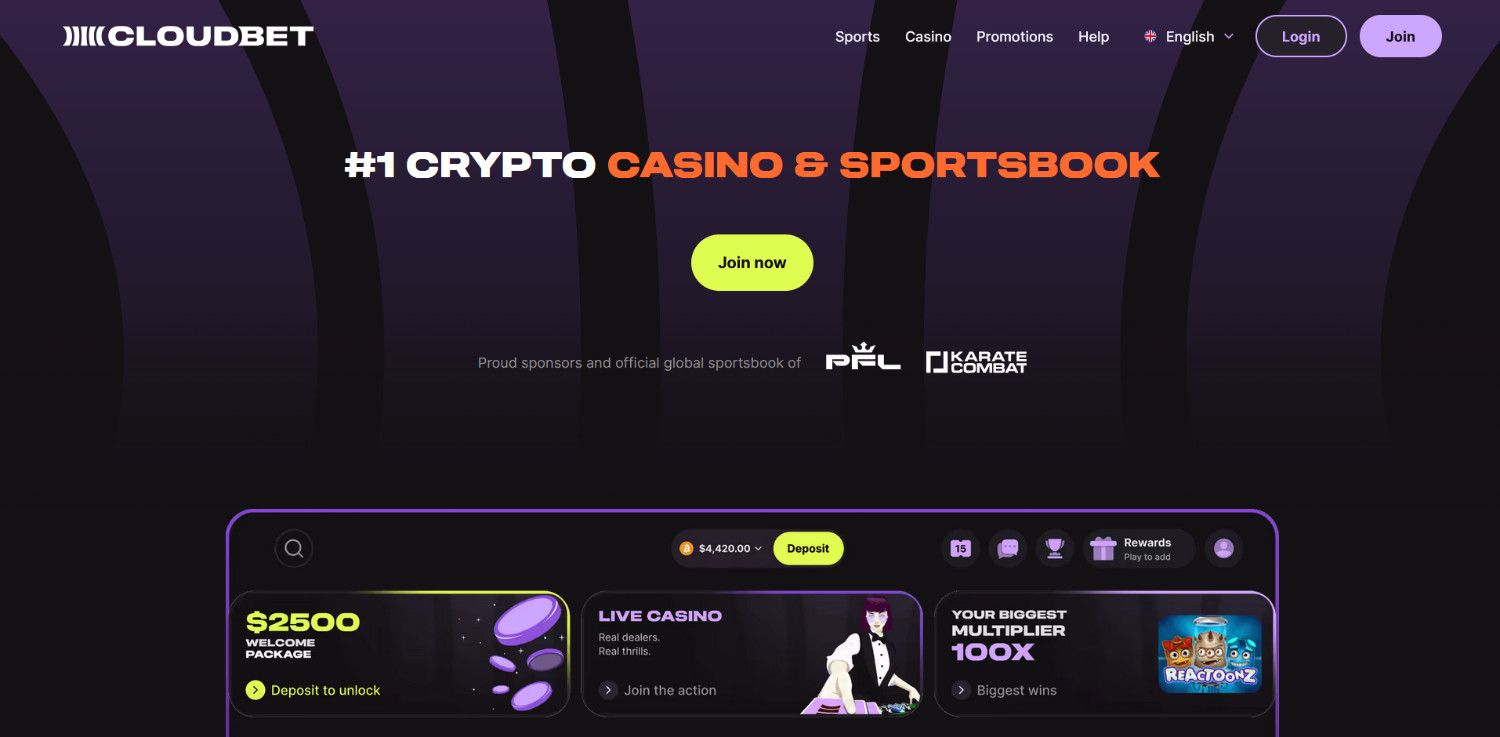
Cloudbet has operated since 2013 under a Curaçao licence, making it one of the oldest crypto-native casinos still active. The welcome offer is not a traditional deposit match — it is a 30-day rakeback programme that returns up to $2,500 through a combination of 10% rakeback on losses and daily cash drops. This structure means your bonus depends on how much you lose, not how much you deposit. The 25x wagering requirement on bonus funds is lower than most offshore competitors but still 2.5 times the UKGC’s 10x cap. Cloudbet accepts over 28 cryptocurrencies including Bitcoin, Ethereum, Tether, Solana, and Dogecoin. The casino library exceeds 2,500 games from providers including Pragmatic Play, NetEnt, and Evolution. The critical caveat: Cloudbet holds no UKGC licence. Your funds are not held in segregated accounts under UK law, and you have no access to UKGC-approved dispute resolution if something goes wrong.
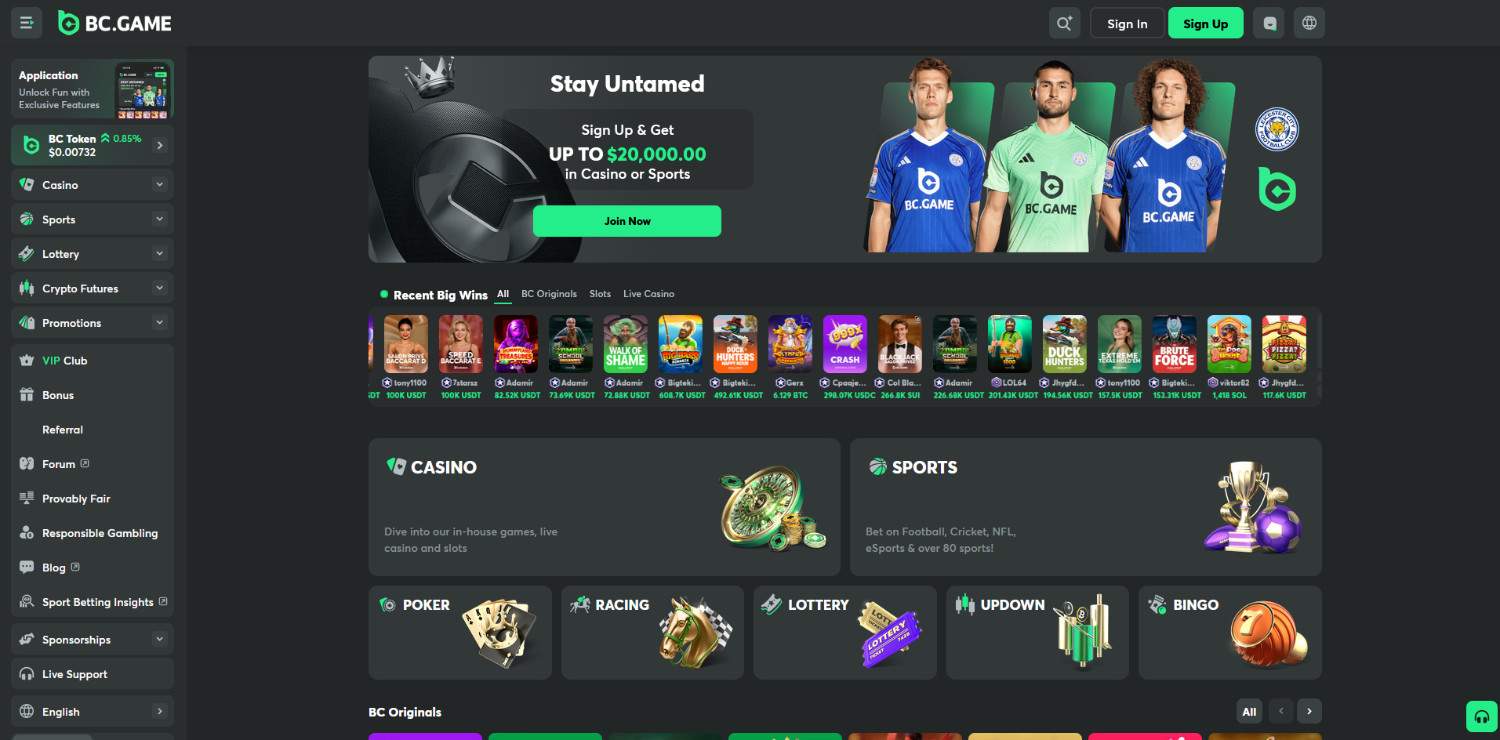
BC.Game advertises a 300% match on first deposits up to $20,000, which dwarfs anything available at a UKGC-licensed casino. The catch is a 60x wagering requirement — on a $1,000 bonus, you must place $60,000 in total wagers before withdrawing. At 96.5% RTP, statistical house edge across $60,000 in wagers consumes approximately $2,100 — more than double the bonus itself. The subsequent deposit tiers (180%, 240%, 300%, 360%) have escalating caps but the same punishing playthrough. BC.Game’s lobby contains over 9,000 games, far exceeding any UKGC site, and supports 20+ cryptocurrencies. The platform is licensed in Curaçao. Monthly withdrawal caps may apply depending on account tier, and the casino’s terms reserve the right to adjust slot house edge without prior notice — a clause that would be illegal under UKGC regulations. For UK players, accessibility may also be restricted; always verify current geo-blocking status before depositing.
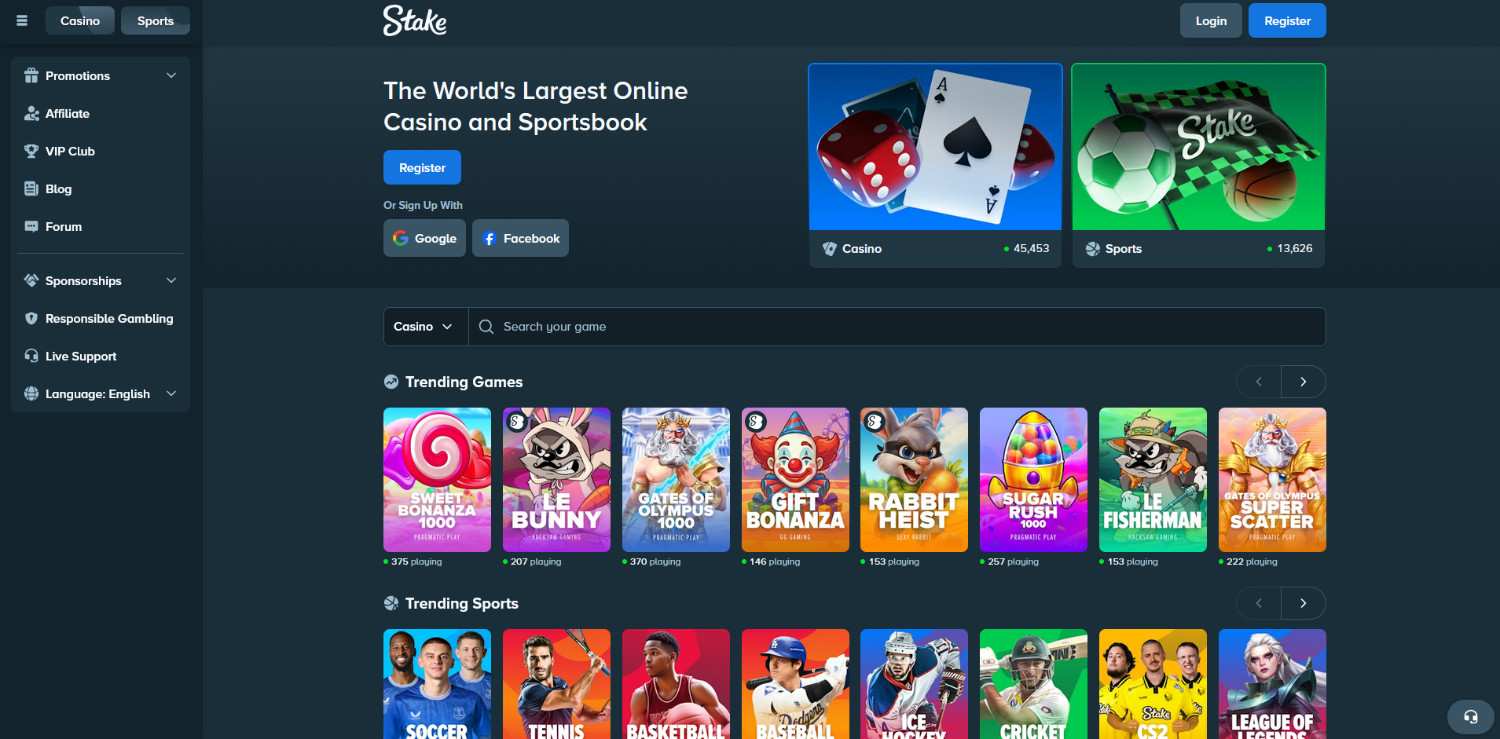
Stake takes an unusual approach: there is no traditional welcome bonus at all. New players receive no deposit match, no free spins, and no introductory offer. Instead, value accumulates through a VIP programme built around rakeback (a percentage return on every wager), weekly reloads, and promotional events. This model rewards high-volume play rather than one-time depositors. Stake requires 100% of your deposit to be wagered before any withdrawal is permitted — even on winnings from your own deposited funds, not bonus funds. The platform supports 15+ cryptocurrencies and features Stake Originals (proprietary provably fair games) alongside third-party titles from Pragmatic Play and Hacksaw Gaming. Stake is licensed in Curaçao and explicitly blocks access from certain jurisdictions. UK access status can change without notice. The same regulatory caveats outlined in the Cloudbet profile apply: no fund segregation, no ADR access, no wagering cap.
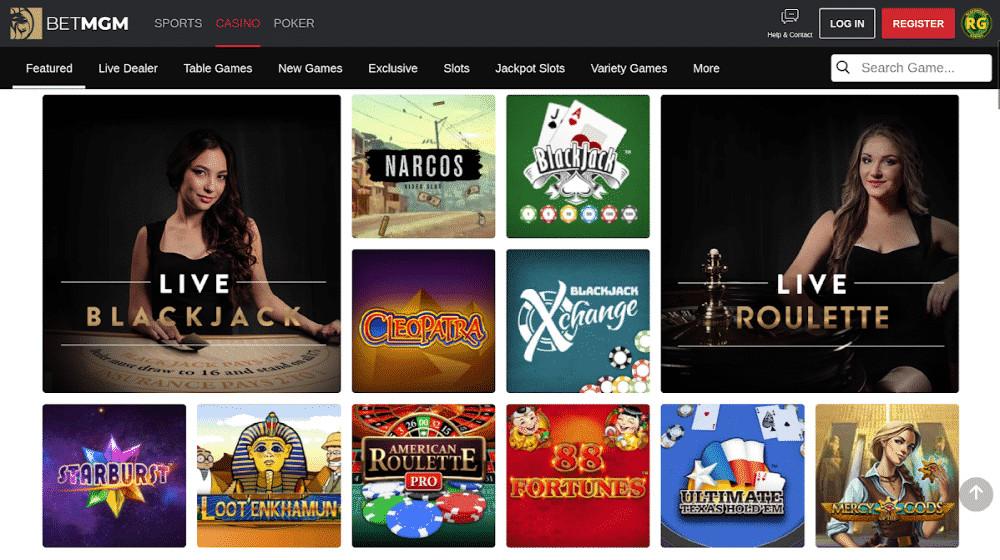
BetMGM does not accept cryptocurrency in any form. However, for UK players who hold crypto and are willing to convert to GBP through an exchange before depositing, BetMGM offers 200 free spins on Big Bass Splash with 0x wagering after a £10 deposit and 1x trigger wager. The total play value is £20, and every penny won is withdrawable as cash immediately. Compare that to BC.Game’s 300% match: on a £100 deposit at BC.Game, you receive £300 in bonus funds but must wager £18,000 at 60x before seeing any of it. The expected value of that £300 after wagering is approximately negative £330 (house edge consumes more than the bonus is worth). BetMGM’s £20 in 0x spins delivers approximately £19.30 in expected withdrawable cash with zero playthrough. For a full list of UKGC casinos offering this model, see our guide to no-wagering bonuses. BetMGM holds UKGC licence 39198, your funds are segregated, and the Gambling Act 2005 applies. The conversion step from crypto to GBP adds friction but eliminates regulatory risk entirely.

Coral’s welcome offer splits into two components with different wagering structures, which makes it the most instructive comparison point against offshore crypto bonuses. After depositing and betting £10 on any slot, you receive 100 free spins on selected games with 0x wagering — winnings from these spins are cash, identical to the BetMGM and Betfred model. You also receive a £10 casino bonus with 10x wagering and a £2 maximum stake restriction. The free spins deliver approximately £9.65 in expected value. The £10 bonus requires £100 in additional wagers, during which house edge on a 96.5% RTP slot consumes approximately £3.50, leaving roughly £6.50 in expected withdrawable value. The combined expected return is approximately £16.15 from a £10 deposit — significantly less than BC.Game’s $20,000 headline but mathematically positive rather than mathematically negative. Coral holds UKGC licence 39396 through LC International Limited and shares its parent company, Entain, with Ladbrokes. The 10x wagering on the bonus component is the UKGC’s legal maximum — still 2.5 to 6 times lower than any offshore operator in our comparison except Jackbit.
Jackbit (Curaçao licence, 100 wager-free spins), Ladbrokes (UKGC licence 54743, 100 FS 0x — Ladbrokes also rotates a £30 casino bonus variant with low wagering, so check which offer is active at registration), and Betfred (UKGC licence 39544, 200 FS 0x with promo code SPINS) all appear with complete data in Tables 1 and 3.
Table 3 — Crypto Casino Bonuses — Licensing and Protection Comparison
| Casino | Licence | Fund Segregation | UK ADR Access | 10x Cap Compliant | Bonus | Payout Time |
|---|---|---|---|---|---|---|
| Cloudbet | Curaçao | No | No | No (25x) | Up to $2,500 rakeback | Minutes (crypto) |
| BC.Game | Curaçao | No | No | No (60x) | 300% up to $20,000 | Minutes (crypto) |
| Stake | Curaçao | No | No | No (100% turnover) | VIP rakeback only | Minutes (crypto) |
| Jackbit | Curaçao | No | No | N/A (0x spins) | 100 wager-free spins | Minutes (crypto) |
| BetMGM | UKGC (39198) | Yes | Yes | Yes (0x) | 200 FS 0x | 2–5 days (card) |
| Ladbrokes | UKGC (54743) | Yes | Yes | Yes (0x) | 100 FS 0x | 1–3 days / 8 hrs (e-wallet) |
| Coral | UKGC (39396) | Yes | Yes | Yes (0x FS / 10x bonus) | 100 FS 0x + £10 (10x) | 1–3 days (card) / 8 hrs (e-wallet) |
| Betfred | UKGC (39544) | Yes | Yes | Yes (0x) | 200 FS 0x | 1–3 days (card) |
Data verified March 2026. Terms are subject to change — always check casino T&Cs.
Bitcoin remains the most widely accepted cryptocurrency at offshore casinos, supported by every operator in our comparison. Ethereum ranks second, followed by Tether (USDT) which has grown in popularity because its dollar-pegged stability eliminates the volatility risk that affects BTC and ETH balances during wagering. Cloudbet leads on breadth with 28+ supported coins including Solana, Cardano, Dogecoin, and XRP. BC.Game and Stake support 15–20+ coins. Jackbit focuses on the major coins plus stablecoins. At UKGC-licensed casinos, the answer is simple: none. BetMGM, Ladbrokes, Coral, and Betfred accept only fiat currency — Visa Debit, Mastercard Debit, PayPal, Apple Pay, and bank transfer. Cryptocurrency must be converted to GBP before depositing. This conversion step introduces exchange fees (typically 0.5%–1.5% at major exchanges) and potential tax implications under HMRC’s capital gains treatment of crypto disposals.
The UK Gambling Commission does not currently licence any casino to accept cryptocurrency deposits. UKGC Executive Director Tim Miller stated on 26 February 2026 that the regulator’s Industry Forum has been tasked with examining how cryptoassets could be integrated into licensed gambling, but described this as an early-stage review with no implementation timeline. The Financial Services and Markets Act 2000 (Cryptoassets) Regulations 2025, currently moving through Parliament, would bring cryptocurrency under Financial Conduct Authority oversight — with a regime expected to take effect in October 2027 at the earliest. Until both the FCA framework and UKGC licensing changes are in place, every crypto casino bonus available to UK players exists outside the UK’s regulatory perimeter. This means no fund segregation requirements, no mandatory ADR schemes, no LCCP Social Responsibility Code 5.1.1 (the 10x wagering cap effective 19 January 2026), and no Gambling Act 2005 consumer protections.
Depositing at an offshore crypto casino involves generating a wallet address within the casino’s cashier, sending cryptocurrency from your personal wallet or exchange account to that address, and waiting for blockchain confirmation. Bitcoin deposits typically confirm in 10–30 minutes; Ethereum in 2–5 minutes; stablecoins on faster networks (Tron, Solana) in under a minute. Withdrawals follow the reverse path. Offshore casinos generally process crypto withdrawals in minutes once approved, though internal verification checks — particularly for first-time withdrawals or large amounts — can introduce delays. Cloudbet requires KYC verification for withdrawals above approximately $2,200 per day. Stake applies similar thresholds. The speed advantage of crypto withdrawals over fiat (minutes versus days) is the primary practical benefit, but it only applies at offshore sites. UKGC casinos process e-wallet withdrawals within hours and debit card withdrawals within 1–5 business days using traditional rails.
Table 2 — How Crypto Casino Bonuses Work by Casino
| Casino | UKGC Licensed? | Cryptos Accepted | Bonus Type | % Match | Wager Req | Fiat Alternative | Jurisdiction |
|---|---|---|---|---|---|---|---|
| Cloudbet | No | BTC, ETH, USDT, 28+ | Rakeback (30 days) | 10% losses | 25x | N/A | Curaçao |
| BC.Game | No | BTC, ETH, DOGE, 20+ | Deposit Match (tiered) | 300% (1st) | 60x | N/A | Curaçao |
| Stake | No | BTC, ETH, LTC, 15+ | VIP Rakeback | No match | 100% turnover | N/A | Curaçao |
| Jackbit | No | BTC, ETH, USDT | Free Spins | N/A | 0x on spins | N/A | Curaçao |
| BetMGM | Yes | None | Free Spins | N/A | 0x (1x trigger) | GBP deposit | UK |
| Ladbrokes | Yes | None | Free Spins | N/A | 0x | GBP deposit | UK |
| Coral | Yes | None | Free Spins + Bonus | N/A (FS) / 100% (bonus) | 0x FS / 10x bonus | GBP deposit | UK |
| Betfred | Yes | None | Free Spins | N/A | 0x | GBP deposit | UK |
Data verified March 2026. Terms are subject to change — always check casino T&Cs.
Offshore crypto casino wagering requirements operate in a fundamentally different universe from UKGC-regulated bonuses. The UKGC’s 10x cap does not apply to any operator outside its jurisdiction. BC.Game’s 60x requirement on a $1,000 bonus demands $60,000 in total wagers. Cloudbet’s 25x on a $500 rakeback credit requires $12,500. Stake’s 100% deposit turnover rule means your entire deposit (not just the bonus) must be wagered before any withdrawal is permitted — even if you deposited your own money and never touched a bonus. These requirements dwarf anything legally permissible in the UK market — for context, see our guide to low wagering casino bonuses where the highest requirement is 10x. The practical consequence: clearing a crypto casino bonus requires either extremely high volume play or an extended time commitment that exposes your balance to significant house edge erosion.
At offshore crypto casinos, slots typically contribute 100% to wagering requirements, mirroring UKGC norms. Table games and live dealer contribute 10% or less at most operators. BC.Game applies strict slot-heavy weighting with low maximum bet limits during wagering. Cloudbet counts sports bets toward welcome bonus wagering (bets must settle to count), which is a mechanic not available at UKGC casino-only sites. Provably fair “Original” games — proprietary titles like Plinko, Mines, Crash, and Dice offered by Stake and BC.Game — often contribute 100% but carry variable house edges that are harder to verify than third-party audited slots. Stake’s terms explicitly reserve the right to adjust slot house edge without notice, a practice that would violate UKGC licensing conditions requiring operators to display accurate RTP information.
Offshore crypto casinos generally impose lower maximum bet limits during active wagering than the headline bonus suggests. BC.Game caps bet sizes during wagering clearance, and monthly withdrawal limits may apply depending on your VIP tier — meaning even after clearing a $20,000 bonus, you might not be able to withdraw the full amount at once. Cloudbet restricts unverified accounts to approximately $2,200 per day in withdrawals. Stake has no published withdrawal cap but applies internal review processes for large cashouts. By contrast, UKGC-licensed casinos in our comparison — BetMGM, Ladbrokes, Coral, and Betfred — apply no cashout cap on their 0x welcome free spins. A winning session on Big Bass Splash’s 5,000x maximum is fully withdrawable without staging or tier restrictions.
Table 4 — Wagering Terms by Casino
| Casino | Wager Req | Slots Contribution | Table Games | Live Casino | Max Bet (Wagering) | Time Limit | Cashout Cap |
|---|---|---|---|---|---|---|---|
| Cloudbet | 25x | 100% | 10% | 10% | Varies | 60 days | $2,200/day (unverified) |
| BC.Game | 60x | 100% | Check T&Cs | Check T&Cs | Capped during wagering | Check T&Cs | Monthly cap (tier-based) |
| Stake | 100% turnover | 100% | 100% | 100% | Check T&Cs | None | Internal review for large |
| Jackbit | 0x on spins | N/A | N/A | N/A | N/A | Check T&Cs | Check T&Cs |
| BetMGM | 0x (1x trigger) | Varies (trigger) | Varies (trigger) | Excluded (trigger) | N/A | 3 days | No cap |
| Ladbrokes | 0x | N/A | N/A | N/A | N/A | 7 days | No cap |
| Coral | 0x FS / 10x bonus | 100% (bonus) | 10% (bonus) | 0% (bonus) | £2 (bonus) | 7 days | No cap (FS) |
| Betfred | 0x | N/A | N/A | N/A | N/A | 7 days | No cap |
Data verified March 2026. Terms are subject to change — always check casino T&Cs.
You deposit 0.01 BTC (approximately $600 at time of writing) at BC.Game and receive a 300% match of $1,800 in bonus funds. The 60x wagering requirement demands $108,000 in total wagers. On a 96.5% RTP slot, statistical house edge across $108,000 consumes approximately $3,780. Your $1,800 bonus is worth negative $1,980 after wagering — you are expected to lose more clearing the bonus than the bonus is worth. But there is a second risk layer: Bitcoin price volatility during the wagering period. If BTC drops 10% while you are clearing the bonus, your deposited funds lose value even before house edge is applied. Conversely, a 10% BTC increase adds value — but you are exposed to both directions of volatility simultaneously with wagering obligations, creating a compounding risk that does not exist at fiat casinos.
Depositing USDT (Tether) eliminates the volatility variable. A $600 USDT deposit at BC.Game with the same 300% match and 60x wagering produces identical maths to Scenario 1 — the bonus is worth negative $1,980 after expected house edge erosion — but without the currency fluctuation overlay. The stablecoin approach isolates the wagering cost, making the calculation cleaner. Compare this to the UKGC alternative: converting $600 of crypto to approximately £475 GBP (after exchange fees), depositing £10 at BetMGM, receiving 200 free spins at 0x worth £19.30 in expected value, and keeping the remaining £465 in your bank account. The BetMGM path delivers £19.30 in expected bonus value plus £465 in preserved capital. The BC.Game path risks $600 in deposited funds plus the statistically negative bonus on top.
Players who convert crypto to GBP for UKGC casino deposits incur exchange fees (0.5%–1.5% at Coinbase, Kraken, or Binance) and potential spread costs. On a £100 conversion, this amounts to £0.50 to £1.50. Players who deposit crypto directly at offshore casinos avoid the exchange fee but face network transaction fees (gas fees) on Ethereum deposits (variable, sometimes £2–£10 during congestion) and the implicit cost of price slippage during the deposit confirmation window. HMRC treats the disposal of cryptocurrency — including spending it at a casino — as a potentially taxable event under capital gains rules. This tax exposure applies whether you deposit at an offshore crypto casino or convert to GBP first. The conversion path at least crystallises the gain or loss at a known price point rather than leaving it embedded in a casino balance denominated in a volatile asset.
Newer crypto casinos like Jackbit and Cryptorino have launched with terms that more closely resemble UKGC-style offers — Jackbit’s 100 wager-free spins mirror the 0x model used by Ladbrokes and Betfred, which is unusual for an offshore operator. These newer entrants compete on user experience and payout speed rather than inflated bonus headlines, suggesting a market shift toward transparency even outside regulated jurisdictions. On the UKGC side, operators like Mr Vegas have launched with competitive 0x terms that make the case for regulated play even stronger. Regular depositors may also find strong ongoing value at established UKGC sites through free spins for existing customers, a retention mechanic that most offshore operators have not matched in structure or consistency. However, newer operators lack the track record that established sites like Cloudbet (operating since 2013) have built over a decade. In an unregulated market, longevity is one of the few trust signals available — a casino that has processed withdrawals reliably for 12 years carries more practical credibility than one that launched six months ago, regardless of how attractive the terms appear.
Established offshore operators (Cloudbet, Stake, BC.Game) compete on game library scale, VIP programme depth, and brand recognition. Their bonus terms tend to be more complex — rakeback models, tiered VIP systems, and high-wagering deposit matches designed for high-volume players. Newer operators compete on simplicity and UKGC-adjacent terms. For a broader comparison of established operators, our casino reviews page covers dozens of UKGC-licensed alternatives. For UK players specifically, the most relevant question is not which offshore casino is best but whether the offshore ecosystem is worth entering at all given the regulatory trade-offs detailed earlier in this article. The gap narrows if and when the UKGC implements its crypto payment framework, but in March 2026, the regulated path remains the stronger value proposition for most players.
The headline comparison is stark: BC.Game offers 300% up to $20,000 while BetMGM offers 200 free spins worth £20. On paper, the crypto bonus is 1,000 times larger. In practice, the 60x wagering at BC.Game makes the bonus statistically worthless on deposits above approximately $50 (the point at which house edge erosion exceeds bonus value). BetMGM’s 0x spins deliver positive expected value on every claim regardless of deposit size. Players comparing regulated spin packages can see our full guide to free spins welcome bonuses for every current UKGC offer, or our slots welcome bonus UK guide for deposit-match offers specifically targeting slot players. The UKGC’s 10x wagering cap has made regulated UK bonuses among the most player-friendly in the world — a reality that most crypto casino comparison sites ignore entirely because they operate outside the UK regulatory framework.
Cashback bonuses at UKGC-licensed casinos return a percentage of losses as cash or low-wagering bonus funds. A 10% cashback on £200 in losses at a 0x-wagering UKGC casino delivers £20 in withdrawable cash. Cloudbet’s rakeback model functions similarly but with 25x wagering on the returned funds and no regulatory guarantee that the terms will remain stable. The cashback mechanic is philosophically similar across both ecosystems — the difference is enforcement. A UKGC casino cannot change its cashback terms retroactively or freeze your account without due process. An offshore crypto casino can, and terms of service typically include broad discretion clauses that would be unenforceable under UK consumer law.
Crypto casino bonuses make mathematical sense only in narrow circumstances: very small deposits where the bonus-to-wagering ratio remains positive, stablecoin deposits that eliminate volatility, and operators with genuinely low wagering (Jackbit’s 0x spins, Cloudbet’s 25x). They do not make sense for casual players depositing under £100, for players unfamiliar with wagering mechanics, or for anyone who values regulatory protection over headline numbers. For most UK players, the honest recommendation is: convert crypto to GBP, deposit at a UKGC-licensed casino, and accept the smaller but mathematically real bonus value. Regular depositors may find even better ongoing returns through reload bonuses that compound value over months. The extra £1 in exchange fees is trivially cheap insurance against the risks of unregulated play.
Table 5 — Bonus Type Comparison
| Bonus Type | How It Works | Typical Wager | Typical Value (£100 Deposit) | Best For | Risk Level |
|---|---|---|---|---|---|
| Crypto Deposit Match (offshore) | % match on crypto deposit | 25x–60x | Negative EV above ~£50 deposit | High-volume experienced players | High |
| Crypto Rakeback (offshore) | % of losses returned | 25x on returned funds | Variable (loss-dependent) | Regular players accepting offshore risk | High |
| UKGC 0x Free Spins (GBP) | Spins on selected slot, cash winnings | 0x | £19.30 (expected, BetMGM) | All players seeking positive EV | Very Low |
| UKGC Cashback (GBP) | % of losses returned as cash | 0x–10x | Variable (loss-dependent) | Regular players wanting safety net | Low |
| UKGC Reload (GBP) | Match on subsequent deposits | 5x–10x | £6.50–£8.25 per reload | Regular depositors | Low |
Data verified March 2026. Terms are subject to change — always check casino T&Cs.
At offshore crypto casinos, the process begins with registration — typically requiring only an email address and password, with no immediate KYC verification. You then navigate to the cashier, select your cryptocurrency, and send funds from your wallet or exchange to the generated deposit address. Bonus funds are usually credited automatically once the blockchain transaction confirms. At UKGC-licensed casinos, the process is more structured: full registration with name, address, date of birth, and identity verification before or shortly after depositing. You deposit in GBP via debit card or e-wallet, opt in to the welcome offer, and meet any trigger requirement. Most UKGC bonuses activate at £10 — our guide to £10 deposit bonuses covers every current option at that threshold. The UKGC path is slower but the verification step is what enables fund segregation and consumer protection.
Offshore crypto casinos may block UK IP addresses entirely, restrict bonus eligibility by country, or change access terms without notice. BC.Game, Stake, and other Curaçao-licensed operators have historically adjusted geo-blocking in response to regulatory pressure. Always verify current UK accessibility before sending cryptocurrency to any offshore casino — funds sent to an inaccessible account may be difficult or impossible to recover. At UKGC casinos, the common restrictions are payment-method based: e-wallets (PayPal, Skrill, Neteller) are often excluded from welcome bonus qualification, and credit card gambling has been banned since April 2020. These restrictions are documented in advance and enforceable.
For offshore crypto deposits, any supported cryptocurrency qualifies. No fiat payment methods are needed. For UKGC casino deposits (after converting crypto to GBP), Visa Debit and Mastercard Debit qualify universally. Apple Pay works at most operators. PayPal is accepted at many but often excluded from welcome bonus activation. If you need support with gambling-related concerns at any point, contact GamCare (0808 8020 133) or visit BeGambleAware.org — these services support players regardless of which type of casino they use.
Table 6 — Claiming Requirements by Casino
| Casino | Opt-In? | Code? | Min Deposit | Qualifying Method | KYC Required? | Auto-Credit? |
|---|---|---|---|---|---|---|
| Cloudbet | Automatic | No | Any crypto amount | Crypto only | At withdrawal threshold | Yes (rakeback) |
| BC.Game | Within 7 mins | No | $10 (crypto) | Crypto only | At withdrawal threshold | Yes |
| Stake | N/A (no welcome) | N/A | Varies | Crypto only | At withdrawal threshold | N/A |
| Jackbit | Yes | No | Varies (crypto) | Crypto only | At withdrawal threshold | After deposit |
| BetMGM | Yes (promo page) | No | £10 (GBP) | Debit card, Apple Pay | Yes (at registration) | After 1x trigger |
| Ladbrokes | No | No | £10 (GBP) | Debit card | Yes (at registration) | Within 48 hrs |
| Coral | Yes (claim in promo tab) | No | £10 (GBP) | Slots (stake £10) | Yes (at registration) | Claim within 48 hrs |
| Betfred | Yes | SPINS | £10 (GBP) | Debit card | Yes (at registration) | Within 48 hrs |
Data verified March 2026. Terms are subject to change — always check casino T&Cs.
Offshore crypto casinos generally operate as mobile-optimised browser sites rather than native apps — Apple and Google’s app store policies restrict real-money gambling apps from unlicensed operators in most jurisdictions. Cloudbet, BC.Game, Stake, and Jackbit are all accessible via mobile browsers with responsive design that adapts to smartphone screens. The gameplay experience is functional but lacks the native polish of dedicated apps. By contrast, UKGC-licensed casinos — BetMGM, Ladbrokes, Coral, and Betfred — all offer dedicated iOS and Android apps available through the App Store and Google Play. These apps provide push notifications for bonus expiry, biometric login, and optimised navigation. Over 70% of UK casino traffic is mobile, and the app experience at regulated operators is substantially smoother than the browser-based alternative at offshore sites. Established casino networks like Magical Vegas and its sister sites have invested years in refining their mobile platforms, a development advantage that newer offshore operators cannot replicate quickly.
For crypto casino bonuses specifically, the browser-based approach at offshore sites introduces minor friction: no push notifications for bonus expiry, no saved wallet addresses for repeat deposits, and occasionally slower page loads on complex game lobbies. Depositing crypto on mobile requires switching between your wallet app and the casino browser tab, which adds steps compared to the one-tap deposit experience within a native UKGC app. For ongoing promotions that require daily logins — Cloudbet’s 30-day rakeback, for example — the absence of app notifications means manually remembering to log in each day. UKGC apps handle this automatically. The mobile experience alone is not a reason to choose one ecosystem over another, but it is a practical quality-of-life difference that compounds over weeks of regular play.
Table 7 — Mobile App Availability and Ratings
| Casino | iOS App | Android App | App Store Rating | Google Play Rating | Mobile Browser | Claim on Mobile? |
|---|---|---|---|---|---|---|
| Cloudbet | No (browser) | No (browser) | N/A | N/A | Yes (responsive) | Yes |
| BC.Game | No (browser) | No (browser) | N/A | N/A | Yes (responsive) | Yes |
| Stake | No (browser) | No (browser) | N/A | N/A | Yes (responsive) | Yes |
| Jackbit | No (browser) | No (browser) | N/A | N/A | Yes (responsive) | Yes |
| BetMGM | Yes | Yes | 4.6 | 4.4 | Yes | Yes |
| Ladbrokes | Yes | Yes | 4.6 | 4.3 | Yes | Yes |
| Coral | Yes | Yes | 4.5 | 4.3 | Yes | Yes |
| Betfred | Yes | Yes | 4.5 | 4.2 | Yes | Yes |
Data verified March 2026. Terms are subject to change — always check casino T&Cs.
A UKGC licence guarantees fund segregation (your money is held separately from the casino’s operating funds), access to approved Alternative Dispute Resolution, compliance with the Gambling Act 2005, and adherence to the LCCP Social Responsibility Code 5.1.1 (the 10x wagering cap introduced on 19 January 2026). No crypto casino currently carries this licence. The Curaçao licence held by Cloudbet, BC.Game, Stake, and Jackbit provides a basic regulatory framework but does not require fund segregation, does not mandate ADR access for UK players specifically, and does not impose wagering caps. In the event of a dispute with an offshore crypto casino, a UK player’s legal recourse is limited to the jurisdiction where the casino is licensed — practically, this means filing a complaint with Curaçao’s gaming authority, a process with no guaranteed timeline or resolution standard.
Offshore crypto casinos offer dramatically larger bonuses because their operating costs are lower (no UKGC licensing fees, reduced compliance overhead, lower tax burden in offshore jurisdictions) and because the high wagering requirements ensure that most bonus value is recaptured through house edge before withdrawal. A 300% match at 60x is not generosity — it is a calculated acquisition cost that statistically returns more to the casino than it gives to the player. The business model depends on volume: attract deposits with headline numbers, retain players through VIP programmes, and rely on the mathematical certainty that high wagering clears the bonus cost. UKGC casinos offer smaller bonuses at lower wagering because the regulatory framework prohibits the high-wagering model that makes inflated bonuses profitable.
Wagering requirements above 50x should trigger immediate scepticism — at 96.5% RTP, a 50x requirement consumes approximately 175% of the bonus value, making it statistically impossible to profit. Terms that reserve the right to change slot RTP, freeze accounts, or impose retroactive wagering adjustments are common in offshore T&Cs and would be illegal under UKGC regulation. Casinos that require a deposit within a very short window (BC.Game’s 7-minute first-deposit bonus) create artificial urgency designed to bypass careful evaluation. Any operator that does not clearly display its licensing jurisdiction on the homepage — or claims UKGC licensing while accepting crypto deposits — is either misrepresenting its status or operating without a valid licence. The Gambling Commission’s public register is the definitive verification tool for any UKGC licensing claim.
We registered at every casino in this comparison, verified account access from a UK IP address, made real deposits (crypto at offshore sites, GBP at UKGC sites), claimed the welcome bonus where available, played through games, and attempted withdrawals. For offshore operators, we documented the deposit confirmation time, bonus crediting speed, KYC trigger thresholds, and withdrawal processing time. For UKGC operators, we followed the same protocol used across all our casino guides, and cross-referenced game fairness with independent auditors such as eCOGRA where applicable. The offshore experience was markedly different: faster deposits and withdrawals, but less predictable terms enforcement and no guarantee that today’s access will persist tomorrow.
A trustworthy crypto casino — whether offshore or regulated — displays its licensing information clearly, publishes full bonus T&Cs before deposit, supports responsible gambling tools (deposit limits, self-exclusion, session reminders), and processes withdrawals without unreasonable delay or undisclosed verification requirements. Among offshore operators, Cloudbet’s 12-year track record and transparent RTP display set a reasonable benchmark. Among UKGC operators, the standard is higher by design: every casino must comply with the Gambling Act 2005, offer GamCare and BeGambleAware access, and maintain fund segregation. Operators within established networks — such as Regal Wins and its sister sites under Rank Interactive — provide additional trust signals through decades of land-based and online operation. Players should not treat crypto casino bonuses as free money. The maths consistently shows that high-wagering offshore bonuses are negative expected value for most deposit sizes, and the regulatory gap means disputes have no guaranteed resolution. Responsible play means setting hard limits — in GBP, not in BTC — before engaging with any crypto casino.