
We weighted six factors: true minimum deposit across all payment methods, game library size, what happens when you deposit exactly £5 (bonus eligibility, game access, session viability), mobile app experience, withdrawal speed and minimum cashout, and Trustpilot score. Casinos where the £5 minimum genuinely provides a usable experience scored higher than those where £5 is technically accepted but practically insufficient.
All eight casinos accept £5 via Visa Debit and Mastercard. Apple Pay accepts £5 at seven of eight. PayPal varies significantly: bet365 requires £25, William Hill excludes PayPal from its bonus, and Paddy Power accepts £5 via most methods. Paysafecard requires £10 at most casinos, meaning a five pound minimum deposit casino player using prepaid vouchers will need to double their intended spend. Bank transfers start at £20–£100 depending on the operator.
Game libraries are fully accessible at £5. A £5 deposit at bet365 opens the same 2,300+ games as a £100 deposit. The critical limitation is bonuses: every welcome offer in our comparison requires a minimum £10 deposit or qualifying wager. This means depositing £5 gives you £5 of real-money play with no bonus attached. For players specifically seeking a £5 deposit casino bonus, the honest answer is that one does not currently exist among major UKGC-licensed operators. Our dedicated page on deposit £5 get free spins offers covers the closest available alternatives. The closest alternative is to deposit £10 and claim a bonus, then treat the remaining balance as your play-through fund.
Master Comparison: £5 Minimum Deposit Casinos
| Casino | UKGC Licence | Min Deposit | Bonus (Min Required) | Tested Payout | Verdict |
|---|---|---|---|---|---|
| bet365 | 55149 | £5 card / £25 PayPal | Up to 500 FS no wager (£10 min) | 1–4 hrs (e-wallet) | Largest library (2,300+); no bonus at £5 |
| Paddy Power | 39411 | £5 most methods | 260 FS no wager (£10 min) | 2–3 business days | Most spins (260); e-wallets excluded from bonus |
| Ladbrokes | 54743 | £5 card | 100 FS no wager (£10 min) | 8 hrs (e-wallet); 1–5 days (card) | Most games (5,700+); 600+ live tables |
| Coral | 39396 | £5 all methods | 100 FS no wager (£10 min) | 8 hrs (e-wallet); 2–5 days (card) | Lowest min across all payment methods |
| William Hill | 39225 | £5 card | 200 FS no wager (£10 min, code BBS200) | 24–48 hours | Legacy brand; Bonus Drop daily game |
| Betfred | 39544 | £5 card | 200 FS no wager (£10 min, code SPINS) | 2–5 business days | Debit card only for bonus |
| Grosvenor | 57924 | £5 card | 100% match £20 (£20 min) | 24–48 hours | £20 required for bonus; live casino focus |
| Midnite | 42647 | £5 card | 100 FS no wager (£20 min) | 24–48 hours | Modern interface; Jackpot King network |
Data verified March 2026. No welcome bonus activates at £5 — all require £10 or more. Game counts and app ratings are detailed in the dedicated tables below. Terms are subject to change.
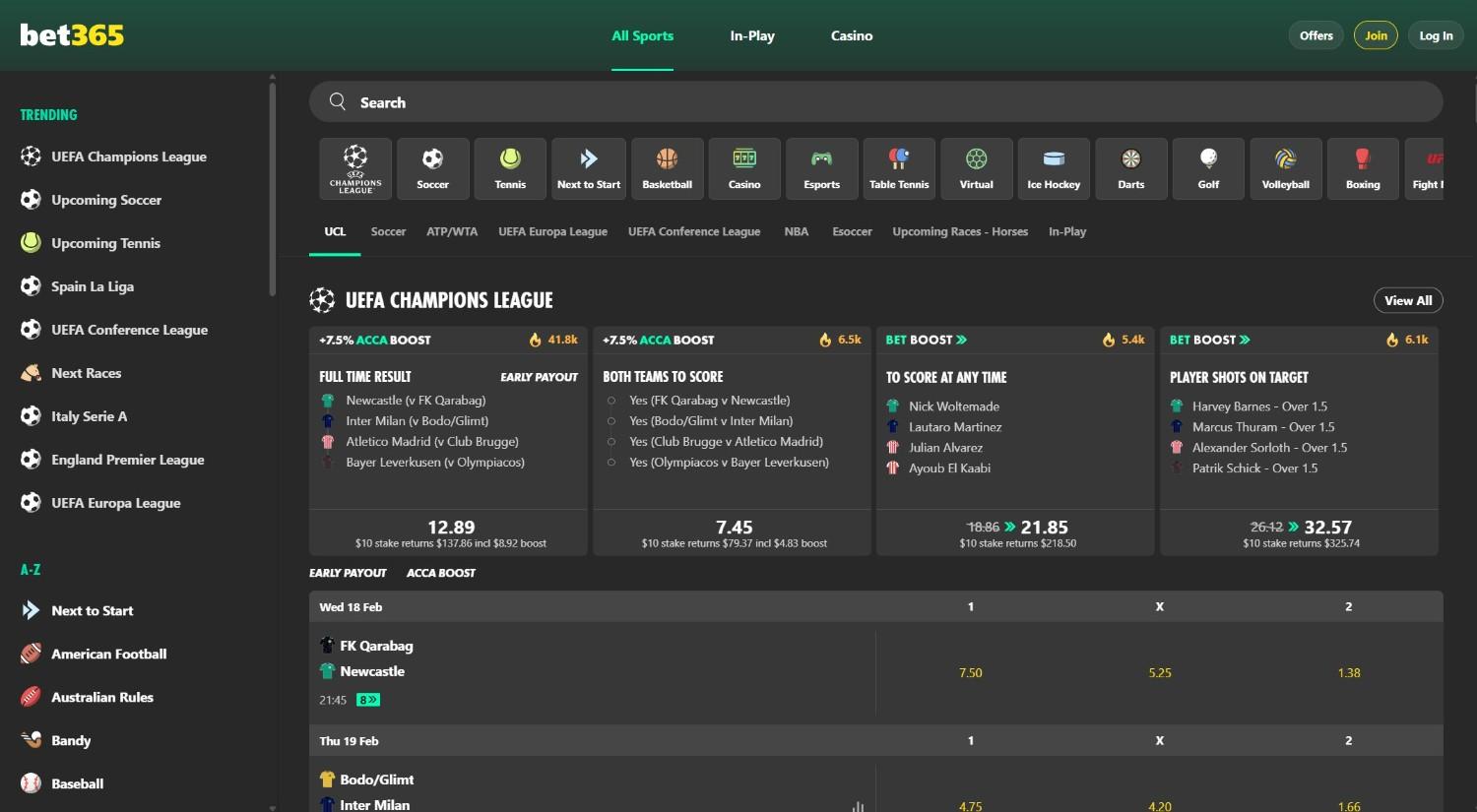
The PayPal minimum of £25 is the main catch at bet365, but via debit card, Apple Pay, or Google Pay, the minimum is exactly £5. That fiver opens the full library of 2,300+ games from Pragmatic Play, NetEnt, Play’n GO, and Evolution — the widest selection of any casino in our comparison. The welcome offer requires a £10 lifetime deposit to activate, so a £5 first deposit will not trigger any spins. If you deposit £5 to test the platform and later top up to £10, the bonus becomes available. bet365 is the strongest £5 deposit casino UK option for players who prioritise game variety and plan to return with a larger deposit.
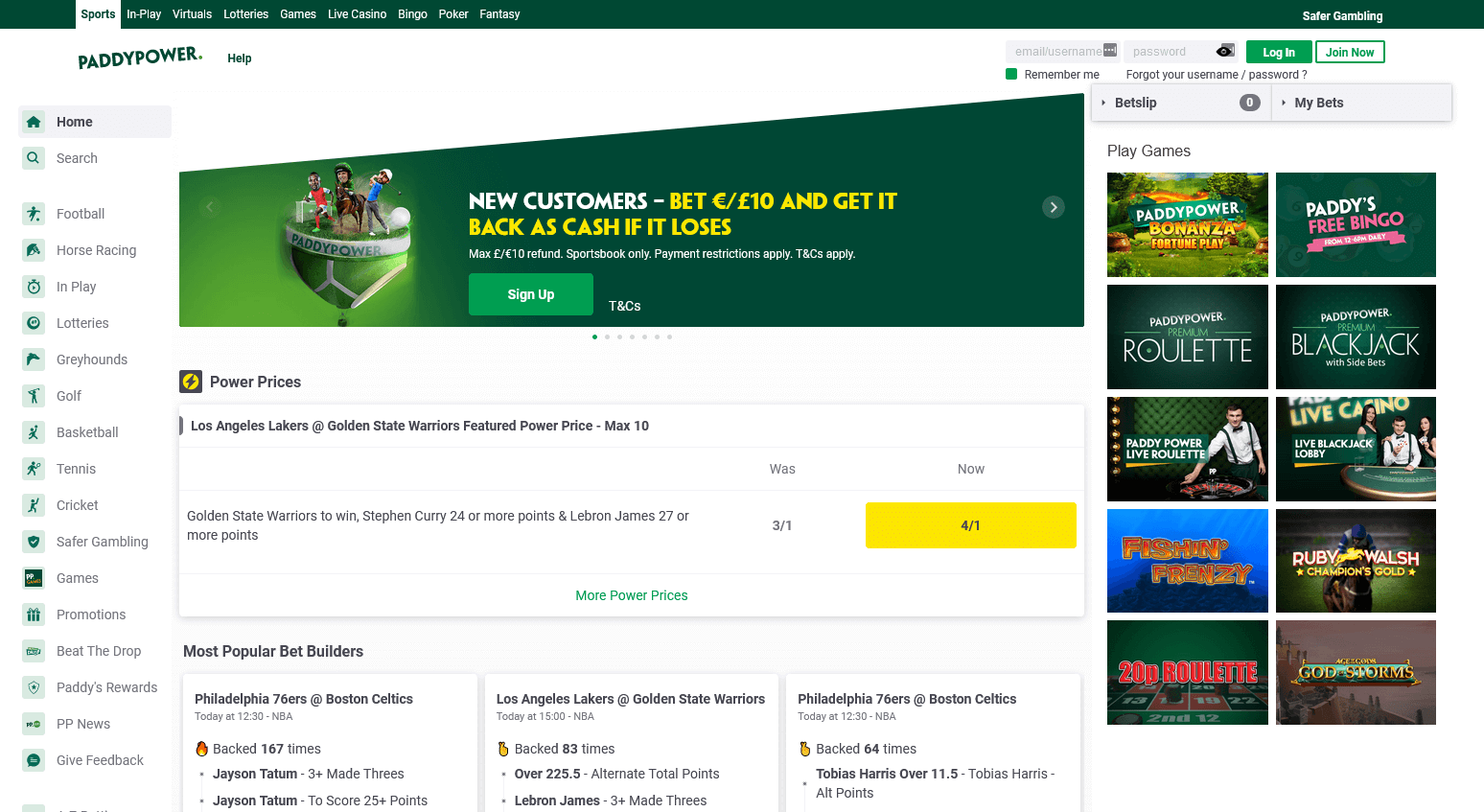
Paddy Power accepts £5 deposits across more methods than any other casino in our comparison — Visa, Mastercard, Apple Pay, and Pay by Bank all start at £5. The welcome bonus requires a £10 deposit and £10 wager to activate 200 spins, plus 60 no-deposit spins are awarded at registration. All spins carry no wagering. UKGC licence 39411. The app rates 4.7/5 on the App Store with 130,000+ reviews. A five pound deposit casino player choosing Paddy Power gets the broadest payment flexibility at this tier, though the bonus remains out of reach until a further £5 is deposited. Full terms on both the no-deposit and deposit-matched portions are covered in our Paddy Power bonus code breakdown.

Coral stands apart because its £5 minimum applies across all methods — Visa, Mastercard, Apple Pay, Google Pay, and even Paysafecard. The minimum withdrawal is also £5, making it the only casino where you can deposit £5, play, and withdraw £5 without hitting a higher cashout threshold. The casino welcome bonus requires a £10 bet on slots to trigger 100 free spins with no wagering. UKGC licence 39396. The game library exceeds 2,500 titles with over 200 live dealer tables. For a pure £5 min deposit casino experience with no hidden per-method catches, Coral is the most transparent option.

William Hill’s general minimum deposit is £5 via debit card. The casino welcome offer requires a £10 deposit and wager using promo code BBS200 to unlock 200 free spins on Big Bass Splash with no wagering. Winnings from those spins are capped at £30. The unique feature at William Hill is the daily Bonus Drop — a free game available to all depositing players regardless of deposit amount, offering spins, bonuses, or cash prizes. The app rates 4.5/5 on the App Store. For a player who deposits £5 and wants ongoing value without bonus qualification, the Bonus Drop provides something most competitors do not.
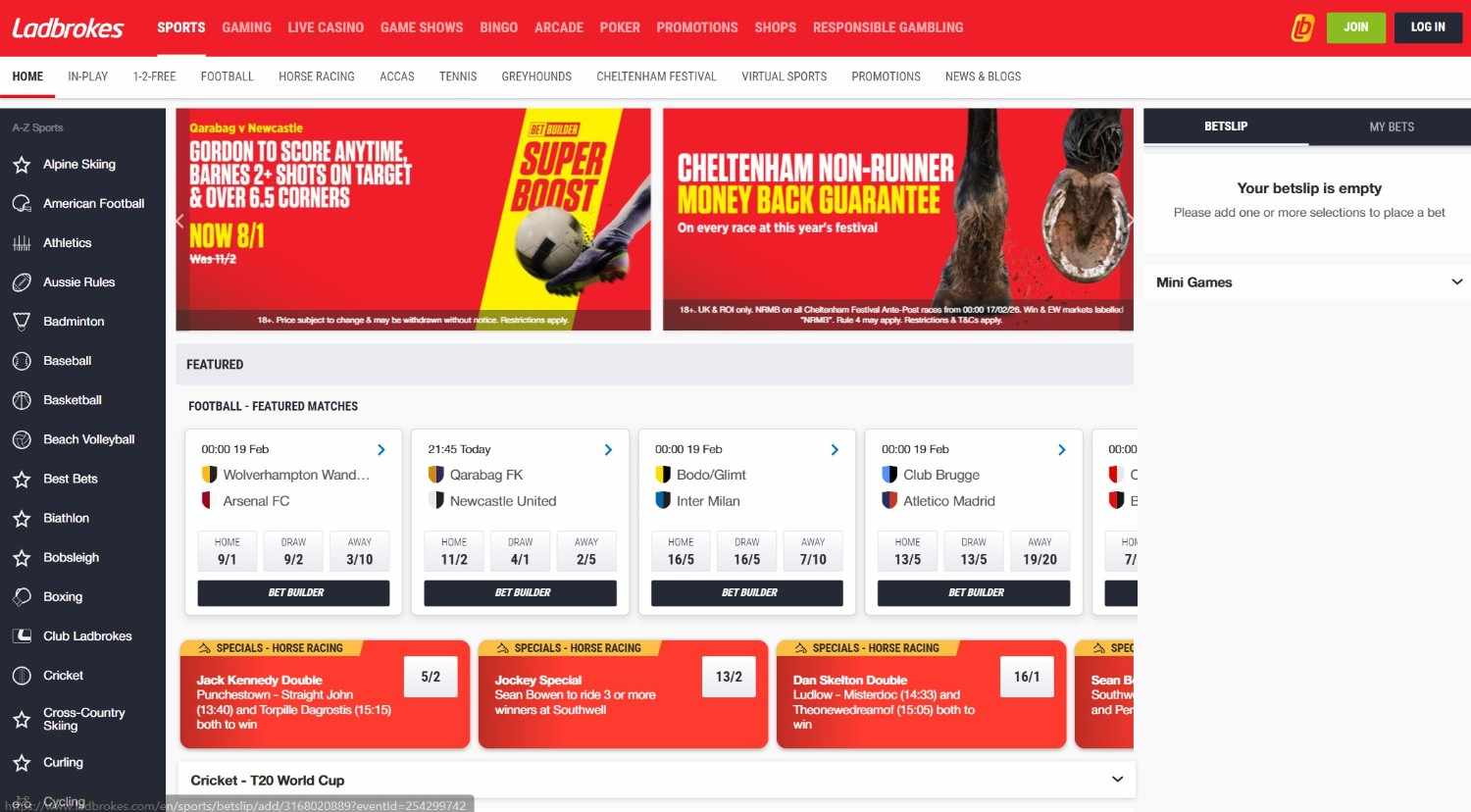
Ladbrokes accepts £5 via debit card, Apple Pay, and Google Pay. The game library is the largest in our comparison at 5,700+ titles across all categories including 600+ live dealer tables, powered by Evolution, Playtech, and Microgaming. The welcome bonus requires a £10 bet on slots to trigger 100 no-wagering free spins — debit card deposits only. Ladbrokes operates under a UKGC licence as part of the Entain group. A £5 deposit gives access to every game in the library including exclusive Ladbrokes-branded tables. For players who want the broadest possible game selection from a single best five pound deposit casino, Ladbrokes delivers on scale.
Betfred (UKGC licence 39544), Grosvenor (UKGC licence 57924), and Midnite all accept £5 deposits with full game access — Betfred’s bonus requires £10 and promo code SPINS, Grosvenor’s requires a £20 deposit, and Midnite’s requires £20. Full terms for each are listed in the master comparison table above.
At £0.10 per spin, £5 buys exactly 50 spins — roughly 3.5 minutes of play. At £0.20, that drops to 25 spins and under 2 minutes. At £0.50, just 10 spins and approximately 40 seconds. The best approach for extending a £5 minimum deposit slots session is high-RTP games at the lowest available stake.
Blood Suckers by NetEnt (97.99% RTP, low volatility, £0.25 min) gives just 20 spins from £5 — its high minimum bet makes it a poor choice at this bankroll. Starmania by NextGen Gaming (97.87% RTP, £0.10 min) gives 50 spins with the second-highest RTP in our comparison. Big Bass Splash by Pragmatic Play (96.71% RTP, high volatility, £0.10 min) gives 50 spins but high variance means the balance could vanish in under 10 spins or multiply unexpectedly.
At a £1 minimum blackjack table, £5 gives exactly 5 hands. With blackjack’s ~0.5% house edge using basic strategy, the expected loss is negligible, but 5 hands is not enough to experience meaningful variance — one bad hand eliminates 20% of the bankroll. European Roulette minimums start at £0.50–£1, giving 5–10 spins.
Ladbrokes and bet365 offer the widest £5 minimum deposit live casino access with 600+ and 200+ tables respectively. Most live tables are powered by Evolution. At £5, live casino is a tasting experience, not a session — extended live play realistically requires £20 or more.
RNG table games start at £0.10–£0.50 per hand, providing the most affordable table game experience at this tier. At £0.10 per hand on RNG blackjack, £5 gives 50 hands — a meaningful session. Bingo ticket prices range from £0.05 to £1.00, making bingo the most bankroll-friendly option at a £5 deposit. A £5 deposit buys 5–100 bingo tickets depending on room and price.
Coral and Ladbrokes both offer bingo alongside slots and table games from a single account. Dedicated bingo networks such as Heart Bingo and its sister sites also accept low deposits with extensive bingo lobbies. A £5 minimum deposit bingo session provides substantially more entertainment per pound than slots or live dealer equivalents.
At £5, the 1% stake rule means £0.05 per spin — below the minimum bet at most games. A more realistic approach is £0.10 per spin, giving 50 spins. Treat £5 as a platform test, not a gambling session. Explore the interface, try 2–3 games, and evaluate load times and navigation before deciding whether to deposit more.
Before depositing, set a deposit limit using the tools every UKGC-licensed casino provides. At £5, the risk is low — but the habit of setting limits before playing is worth establishing from the first deposit.
Games Accessible at £5 by Casino
| Casino | Slots Available | Live Casino Tables | RNG Table Games | Bingo | Lowest Min Bet |
|---|---|---|---|---|---|
| bet365 | 2,000+ | 200+ | 50+ | Yes | £0.10 |
| Paddy Power | 1,500+ | 400+ | 30+ | Yes | £0.01 |
| Ladbrokes | 5,000+ | 600+ | 80+ | Yes | £0.10 |
| Coral | 2,000+ | 200+ | 40+ | No | £0.10 |
| William Hill | 1,200+ | 150+ | 30+ | Yes | £0.10 |
| Betfred | 1,500+ | 100+ | 30+ | Yes | £0.10 |
| Grosvenor | 800+ | 150+ | 30+ | No | £0.10 |
| Midnite | 1,500+ | 100+ | 20+ | No | £0.10 |
Data verified March 2026. Game counts are approximate and change as operators add or remove titles.
No welcome bonus in our comparison activates at £5. Every operator requires a minimum £10 deposit, a £10 qualifying wager, or both. This is the single most important finding in this article. A player who deposits exactly £5 expecting bonus spins will receive nothing — no match, no free spins, no bonus funds. The £5 deposit casino welcome offer that many comparison sites advertise does not exist at any major UKGC-licensed operator in our research. For readers hoping to find no-deposit alternatives, our guide to free welcome bonuses with no deposit required covers the current UK landscape.
The closest option is Paddy Power, which awards 60 free spins at registration with no deposit required. Those 60 spins are available to any new customer regardless of deposit amount, but the additional 200 spins require a £10 deposit and wager. Players seeking larger spin packages can compare options in our 120 free spins guide.
Since 19 January 2026, the UKGC caps all wagering at 10x. Six of eight casinos in our review have eliminated wagering entirely on their welcome offers, providing low-wagering or zero-wagering casino bonuses. However, these offers only activate at £10+. If you deposit £5 and later top up to reach £10, the bonus becomes available at that point. On a no-wagering offer, every penny won from bonus spins is immediately withdrawable.
Not at £5 specifically. No-wagering free spins are the dominant offer structure in the UK market, but they activate at £10 minimum. bet365, Paddy Power, Coral, Ladbrokes, Betfred, and William Hill all offer no-wagering spins that require a £10 deposit. The £5 deposit free spins combination does not exist at any operator we tested. If no-wagering spins are your priority, plan for a £10 deposit — our guide to no-wagering bonuses covers every current offer.
Welcome Bonuses at £5 Minimum Deposit Casinos
| Casino | Bonus Type | Bonus Amount | Activates at £5? | Min Required | Wager Req | Expiry |
|---|---|---|---|---|---|---|
| bet365 | Free Spins | Up to 500 FS | No | £10 | 0x | 7 days per batch |
| Paddy Power | Free Spins | 260 FS (60 no-dep + 200) | 60 FS only (no dep) | £10 for remaining 200 | 0x | 7 days |
| Ladbrokes | Free Spins | 100 FS on selected slots | No | £10 | 0x | 7 days |
| Coral | Free Spins | 100 FS on selected games | No | £10 | 0x | 7 days |
| William Hill | Free Spins | 200 FS on Big Bass Splash | No | £10 (code BBS200) | 0x | 72 hours |
| Betfred | Free Spins | 200 FS on selected titles | No | £10 (code SPINS) | 0x | 7 days |
| Grosvenor | Match Bonus | £20 bonus (100% match) | No | £20 | 10x (dep+bonus) | 30 days |
| Midnite | Free Spins | 100 FS no wagering | No | £20 | 0x | 7 days |
Data verified March 2026. No welcome bonus activates at £5. All require £10 or more.
Newer operators often launch with low minimums to attract first-time depositors. Midnite Casino (launched 2019, expanded 2024) accepts £5 deposits with access to 2,000+ games and participation in the Jackpot King progressive network. Pub Casino offers a £10 minimum deposit with no-fee withdrawals processing in up to 6 hours. The new £5 minimum deposit casino 2026 landscape is growing as more operators target budget-conscious players.
The honest counterpoint: new operators lack a track record on payout speed and customer service. A £5 deposit is the ideal test amount — any casino with £5 minimum deposit acceptance can be evaluated for interface, game speed, and mobile experience without meaningful financial risk.
Established operators consistently outperformed newer entrants in our research. bet365 (launched 2001), Ladbrokes (established 1886), William Hill (established 1934), and Paddy Power offer larger game libraries, faster verified withdrawal speeds, and ongoing promotions including reload bonuses. Among £5 deposit casino sites, newer operators can offer a modern interface — but the established operators provide identical game access with the reassurance of decades-long UKGC compliance.
Visa Debit and Mastercard Debit accept £5 deposits at all eight casinos. Apple Pay accepts £5 at seven of eight. Google Pay acceptance is more limited — available at bet365, Ladbrokes, Coral, and Midnite at £5. PayPal varies: Paddy Power accepts £5, Coral and Ladbrokes accept £10 via PayPal, and bet365 requires £25. Credit card gambling has been banned in the UK since April 2020. Paysafecard typically requires £10, making it unsuitable for a true £5 deposit.
The gap between advertised minimums and per-method reality is the central issue for a £5 minimum deposit casino PayPal user. bet365 advertises a £5 minimum but requires £25 via PayPal. Paysafecard requires £10 at most operators despite the casino advertising a £5 minimum. Bank transfers start at £20–£100. If your preferred method has a higher minimum, the advertised £5 deposit is irrelevant — you will hit a payment error with no explanation during the deposit process.
Coral is the exception: its £5 minimum applies across all listed payment methods, with no hidden per-method catches.
Coral and Paddy Power both offer £5 minimum withdrawals — matching the deposit minimum exactly. Most other operators require £10. bet365 processes e-wallet withdrawals in 1–4 hours. Ladbrokes and Coral process e-wallet withdrawals in approximately 8 hours. Debit card withdrawals take 2–5 business days across all casinos.
If you are experiencing difficulty controlling your gambling, UKGC-licensed casinos offer cooling-off periods of 24 hours, 1 week, or 1 month. GamCare offers free support on 0808 8020 133, and BeGambleAware.org provides information and tools for safer gambling.
Payment Methods and Deposit Minimums by Casino
| Casino | Visa Debit Min | PayPal Min | Apple Pay Min | Other Methods | Min Withdrawal | Withdrawal Time | Fees |
|---|---|---|---|---|---|---|---|
| bet365 | £5 | £25 | £5 | Google Pay £5, Paysafe £5, Trustly £5 | £10 | 1–4hrs (e-wallet) | None |
| Paddy Power | £5 | £10 | £5 | Pay by Bank £5 | £5 | 2–3 business days | None |
| Ladbrokes | £5 | £10 | £5 | Google Pay £5, Paysafe £5 | £5 | 8hrs (e-wallet); 1–5 days (card) | None |
| Coral | £5 | £5 | £5 | Google Pay £5, Paysafe £5 | £5 | 8hrs (e-wallet); 2–5 days (card) | None |
| William Hill | £5 | Excluded from bonus | £5 | Paysafe £5 | £10 | 24–48 hours | None |
| Betfred | £5 | £5 | Not confirmed | Bank Transfer £5 | £10 | 2–5 business days | None |
| Grosvenor | £5 | £10 | £5 | Bank Transfer £10 | £10 | 24–48 hours | None |
| Midnite | £5 | Not available | £5 | Google Pay £5 | £10 | 24–48 hours | None |
Data verified March 2026. Credit card gambling banned since April 2020. Paysafecard is deposit-only.
Over 70% of UK casino traffic is mobile, making app quality a primary factor. Paddy Power rates highest on the App Store at 4.7/5 with over 130,000 reviews. Betfred and Coral both rate 4.6/5. bet365 rates 4.6/5 with a one-thumb betting interface optimised for mobile play. All four offer dedicated iOS and Android apps with full game access at the £5 deposit tier.
William Hill rates 4.5/5 on iOS with its standalone Vegas app for slots and casino. Midnite has a modern mobile-first design built specifically for smartphone play. Other mobile-focused operators like Foxy Games also accept low deposits with dedicated apps. Any £5 minimum deposit casino app from the operators above provides the full desktop experience on mobile with no deposit-tier restrictions.
Casinos without dedicated apps still function well through mobile browsers. Game libraries are identical on mobile browser and app at all eight casinos. The main advantages of dedicated apps are push notifications for promotions, biometric login (Face ID, fingerprint), and slightly faster load times. For a player depositing £5 to test a platform, the mobile browser provides full access without requiring an app download.
Mobile App Availability and Ratings by Casino
| Casino | iOS App | Android App | App Store Rating | Google Play Rating | Mobile Browser | Key Mobile Feature |
|---|---|---|---|---|---|---|
| bet365 | Yes | Yes | 4.6/5 | 4.3/5 | Full access | One-thumb interface |
| Paddy Power | Yes | Yes | 4.7/5 | 4.5/5 | Full access | Highest-rated UK casino app |
| Ladbrokes | Yes | Yes | 4.5/5 | 4.4/5 | Full access | Biometric login |
| Coral | Yes | Yes | 4.6/5 | 4.4/5 | Full access | Quick deposit widget |
| William Hill | Yes | Yes | 4.5/5 | 4.3/5 | Full access | Standalone Vegas app |
| Betfred | Yes | Yes | 4.6/5 | 4.4/5 | Full access | Split casino/sports apps |
| Grosvenor | Yes | Limited | 4.3/5 | Not confirmed | Full access | Links to land-based venues |
| Midnite | Yes | Yes | 4.4/5 | 4.2/5 | Full access | Mobile-first design |
Data verified March 2026. App ratings may change with updates.
A handful of casinos accept £1 or £3 deposits — Lottoland accepts £1, The Phone Casino accepts £3. However, these operators have smaller game libraries, and at £1–£3, the session length is measured in seconds rather than minutes. Established networks like Sky Vegas and its sister sites maintain higher minimums but offer substantially more content. A £1 deposit at £0.10 per spin gives 10 spins — approximately 40 seconds of play. For most players, £5 is the lowest practical deposit tier.
At £10, every welcome bonus in our comparison activates. BetMGM offers 200 no-wagering free spins. Paddy Power’s full 260 spins become available. bet365’s up to 500 spins over 10 days trigger. The jump from £5 to £10 is the most impactful tier upgrade in UK casino gambling — it doubles your session length and unlocks every bonus. For a full breakdown of what £10 unlocks, see our guide to £10 deposit bonuses.
At £20, session length doubles again, and Grosvenor’s 100% match bonus becomes available. Players considering the next step up can explore £20 minimum deposit casinos for a detailed comparison. At £50, match bonuses at some operators reach £100 in total play value. If your budget allows £10, the additional £5 provides dramatically more value than the first £5 — making £10 the true sweet spot for UK casino players.
At £5, you receive zero bonus value — every penny is real-money play only. At £10, BetMGM’s 200 no-wagering spins deliver £2 of bonus value per pound deposited. The mathematical difference is stark: £5 produces £0 in bonus extraction; £10 produces £20 in bonus spins. This makes the £5-to-£10 jump the highest-ROI upgrade available — players ready to step up can see the full list of £10 minimum deposit casinos for side-by-side terms.
Casino Access by Deposit Tier
| Deposit Amount | Casinos Available | Typical Bonus | Game Access | Live Casino Access | Best For |
|---|---|---|---|---|---|
| £1–£3 | 2–3 (Lottoland, The Phone Casino) | None | Limited | Very limited | Absolute minimum-risk testing |
| £5 | All 8 in this review | None (all require £10+) | Full | Full (very short sessions) | Testing a casino before committing more |
| £10 | All 8 | 100–500 FS no wagering | Full | Full (short sessions) | Best bonus value per pound |
| £20 | All 8 | 100–500 FS + Grosvenor match | Full | Full (moderate sessions) | Best balance of bonus + session length |
Data verified March 2026. Based on the most common offers at each tier across UKGC-licensed casinos.
Every casino in this article holds an active remote operating licence from the UK Gambling Commission under the Gambling Act 2005. UKGC licensing provides mandatory segregation of player funds, ensuring your £5 deposit is protected if the operator enters insolvency. Access to Alternative Dispute Resolution (ADR) services means you can escalate complaints to an independent body. Since January 2026, UKGC licensees must comply with the 10x wagering cap and the ban on mixed-product promotions.
Casinos treat the £5 minimum deposit as a player acquisition tool. The average cost to acquire a new UK casino player through paid advertising sits between £150 and £300. A £5 deposit represents the absolute minimum entry point — the calculation is that a percentage of £5 depositors will return as regular players depositing £10–£50 per session. This economics explains why safe £5 minimum deposit casino UK operators maintain the low threshold despite the transaction costs.
Any UKGC-licensed casino advertising wagering above 10x after January 2026 is non-compliant or displaying outdated terms. Other warnings: match percentages above 200% with no stated cashout cap, missing terms pages, no visible UKGC licence number, and bonus expiry under 24 hours. A legitimate £5 min deposit casino will have all terms clearly visible before registration. Verify the UKGC licence on the Gambling Commission’s public register. Check the footer for an ADR provider. Search for recent complaints on Trustpilot — a casino scoring above 4.0/5 with 100+ reviews is a positive signal.
For each casino, we register an account, deposit £5 using a qualifying method, attempt to play slots and table games, and evaluate the experience. We document deposit clearing time, game access, mobile performance, and whether any features are restricted at the £5 level. None were — every game, every feature, and every tool was accessible at £5 across all eight casinos. Independent auditors such as eCOGRA also verify game fairness and RTP accuracy across these UKGC-licensed operators.
A trustworthy operator has the UKGC licence number in the footer, the minimum deposit clearly stated per payment method, no false advertising of £5 bonuses that actually require £10, reasonable bonus expiry (7+ days) on any future deposit, full T&Cs accessible before registration, and multiple verified withdrawal methods. If any element is missing, treat the casino with scepticism. Readers looking to compare operators across every deposit tier can browse our full casino reviews library for UKGC-licensed options.